
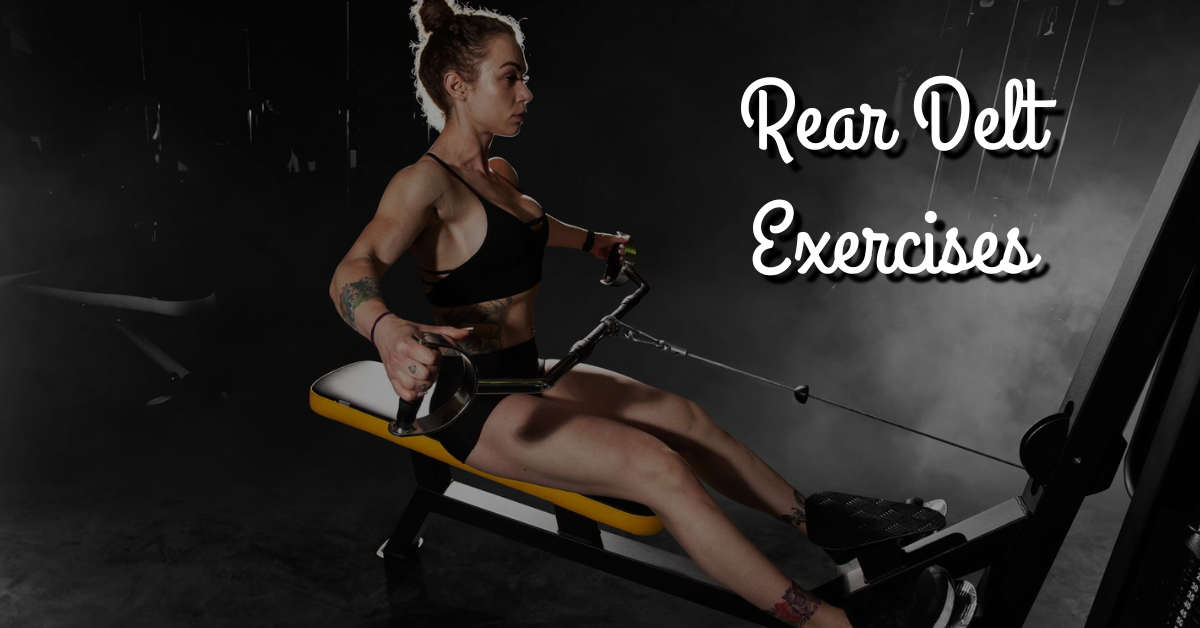
Rear Delt Exercises: Introduction-
Table of Contents
In today’s busy lifestyle, pressure from office work, study stress, and irregular routines often leave most people spending long hours sitting in a chair, working on a computer, laptop, or mobile phone. This habit gradually deteriorates our posture. This causes shoulders to hunch forward, a feeling of heaviness in the neck, and sometimes persistent shoulder pain, even without any activity. If you suffer from these problems, a major cause is weak rear delts. In such a situation, rear delt exercises can be used to address them.
In these situations, people often resort to medication or massage when experiencing pain, but the real solution lies in strengthening the rear deltoid muscles. Properly performed rear delt exercises not only strengthen the shoulders but also gradually improve your posture. When the shoulders are strong from behind, the body automatically appears straighter. There’s no need to sweat it out for hours in the gym. A few simple, well-exercised exercises, a little regularity, and patience are all it takes. If you want a pain-free, confident, upright posture, start exercising your rear delts.
What are the rear delt muscles?
The rear deltoid muscles are the back portion of the deltoid muscles of the shoulder. The rear deltoid muscles support the shoulders from behind and play a crucial role in maintaining body balance. These muscles also help move the arms backward. The shoulder muscles have three main parts:
- The front delt, the front portion.
- The side delt is the middle portion of the deltoid muscle.
- The rear delt, the back portion.
Of these, the rear delt is the most overlooked muscle, although it is crucial for shoulder strength and balance. The rear deltoid muscles are located behind the shoulder, near the shoulder blades. These muscles are activated when you pull something backward, such as during a rowing movement, a face pull, or bringing your arms back. Additionally, these muscles help stabilize the shoulder joint, reducing the risk of injury.
Strong rear delt muscles improve posture and make the shoulders appear straight and balanced. However, when the rear delt muscles are weak, the shoulders tend to slouch forward, causing pain and making it difficult to stand upright because the shoulders lack the strength to hold the body in the correct position. Back and shoulder exercises performed in the gym also don’t provide the full benefit. Therefore, rear delt exercises are as essential for healthy and balanced shoulders as other shoulder muscles.
The Role of the Rear Delt Muscles in a Healthy Body-
The rear deltoid muscles play a crucial role in our daily lives. When we sit on a chair, lift an object backward, shoulder a bag correctly, sit for long periods of time, or perform exercises like rowing or pull-ups, the rear delt muscles assist us in all these activities. The rear deltoid muscles work in conjunction with the back muscles. They also prevent the shoulders from slouching forward, maintaining proper posture. If this muscle weakens, fatigue and pain in the neck and shoulders can occur quickly.
The rear deltoid muscles are also particularly important in sports and the gym. Shoulder stability is crucial in sports like cricket, badminton, swimming, and weight training. Strong rear delt muscles not only contribute to better performance but also reduce the risk of injury. Its primary function is to move the arm backward and stabilize the shoulder joint.
The main function of the front and rear delts is to move the arm forward, and the side delts are to lift the arm to the side, while the rear delts pull the arm back and balance the shoulders. Therefore, for a healthy body, it is essential for all three delt muscles to be strong in a balanced manner.
Adverse Effects of Weak Rear Delt Muscles-
Weakness of the rear delt muscles gives rise to many problems, the effects of which are not only limited to the gym but are also clearly visible in our daily activities.
1. Poor Posture-
When the rear delt muscles are weak, the shoulders gradually begin to slouch forward. This makes the upper body appear hunched and negatively impacts self-confidence.
2. Shoulder and Neck Pain-
When the rear deltoid muscles are weak, shoulder and neck pain arise. Because this muscle helps stabilize the shoulders, weakening it puts more strain on the neck and trap muscles. This is why many people experience stiffness and shoulder pain without even working out.
3. Injury Potential During Exercise-
The effects of this are evident even during exercise. Weak rear delt muscles increase the risk of injury, especially during back and shoulder exercises.
4. Back Exercise Problems-
Weak rear delt muscles also pose problems with back exercises, as they support the back muscles in rowing and pulling movements.
5. Unbalanced Shoulders-
Unbalanced shoulders are also a common problem. Shoulders may look good from the front, but even after prolonged gymnastics, they appear flat and weak when viewed from behind.
So, if you want strong, pain-free, and balanced shoulders, do rear delt exercises.
What are rear delt exercises?
Rear delt exercises are exercises designed to strengthen the back muscles of the shoulder, or rear delt muscles. These exercises strengthen the shoulders from the back, maintaining balance and stability. Rear delt exercises typically include movements that involve moving or pulling the arms backward, such as bent-over rear delt flyes, face pulls, and reverse pec deck flyes. These exercises not only strengthen the shoulders but also improve the performance of back and shoulder workouts.
Rear delt exercises improve posture, make the shoulders more stable, and reduce the risk of injury. Therefore, rear delt exercises are considered essential for a healthy body and balanced shoulders.
Purpose of Blog-
The primary purpose of this blog is to provide readers with comprehensive information about rear delt exercises in simple and clear language. Because many people nowadays often neglect rear delt exercises when performing shoulder exercises, this leads to problems like poor posture, shoulder pain, and muscle imbalance. This blog is designed to address these issues and provide guidance through rear delt exercises.
Through this blog, all readers will learn:
- What are the rear delt muscles?
- What is the role of the rear deltoid muscles in a healthy body?
- What are the side effects of weakening the rear delt muscles?
- What are rear delt exercises?
- What are the benefits of rear delt exercises?
- The best rear delt exercises in the gym and the main types of rear delt exercises.
- Home rear delt exercises and the main types of rear delt exercises.
This blog aims to encourage readers to practice rear delt exercises to keep their shoulders pain-free, strong, and balanced. It also aims to educate people that rear delt exercises can be easily performed not only at gyms but also at home.
Yoga and Exercise e-Book, How to Get It?
If you want a yoga and exercise e-book, you can get it from the website vijaybooks.store and practice yoga and exercise from the comfort of your home. Apart from this, there is another website, yoga.ayush.gov.in, which is a government website of India.
There are other blogs available similar to this blog.
Benefits of Rear Delt Exercises-
Incorporating rear delt exercises into your daily routine can significantly improve shoulder strength and balance.
1. Complete Shoulder Development-
The biggest benefit of incorporating rear delt exercises into your daily routine is the complete development of your shoulders. When all three delt muscles—front, side, and rear—are trained evenly, the shoulders become significantly more sculpted.
2. Improved Body Posture-
An important benefit of rear delt exercises is improved body posture. Strengthened by this exercise, the rear delts support the shoulders from behind, allowing the body to remain upright. This exercise is especially beneficial for those who work while sitting for long periods of time.
3. Strong and Stable Shoulders-
When rear delt exercises strengthen the rear delts, the shoulders become stronger and more stable. This helps maintain proper control and balance when lifting heavy weights. This has a direct impact on back and shoulder workouts.
4. Injury Protection-
By performing rear delt exercises, the rear delts help stabilize the shoulder joint, protecting it from injury during gymnastics or sports.
5. Ease of Daily Activities-
By performing rear delt exercises, our daily activities become easier. Lifting weights, handling bags, or sitting upright for long periods of time becomes easier and safer.
Therefore, rear delt exercises are essential not only for the gym, but also for a healthy and balanced life.
Best Rear Delt Exercises in the Gym-
To properly train the rear delts in the gym, there are a few exercises that focus more on the rear delt muscles and strengthen and balance the shoulders. The exercises below are considered effective for both beginners and intermediates.
1. Reverse Pec Deck Fly-

The reverse pec deck fly is one of the most important rear delt exercises in the gym. This exercise specifically strengthens the rear delts and isolates the muscle well.
How to Exercise-
First:
- Sit on the reverse pec deck machine.
- Rest your chest on the pad.
- Grasp the handles.
- Extend your arms backward.
- Slowly return to the starting position.
Correct Form-
- Keep your back straight.
- Pull your shoulders back.
- Do not jerk.
- Keep the movement under control.
Reps and Sets-
- For beginners – 12-15 reps × 3 sets.
- For intermediates – 10-12 reps × 3-4 sets.
Common Mistakes-
- Taking too much weight.
- Jerking the arms.
- Bending the back.
- Extending the neck.
Benefits-
By practicing this regularly-
- Strengthens the rear delts.
- Improves shoulder balance.
- Improves posture.
- Reduces the risk of injury.
- The shoulders appear fuller from behind.
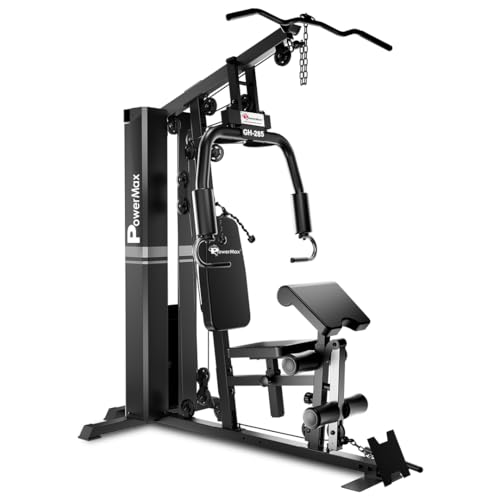
- Multipurpose for Full Body Workout: Offers exercises for major muscle groups, enabling users to perform strength trainin…
- Comprehensive 24 Exercise Options: Allows you to perform a wide variety of strength training movements targeting chest, …
- Ergonomic and Comfortable Seat: The seat features a soft sponge core wrapped in high-quality leather, offering maximum c…
2. Bent-Over Dumbbell Rear Delt Fly-
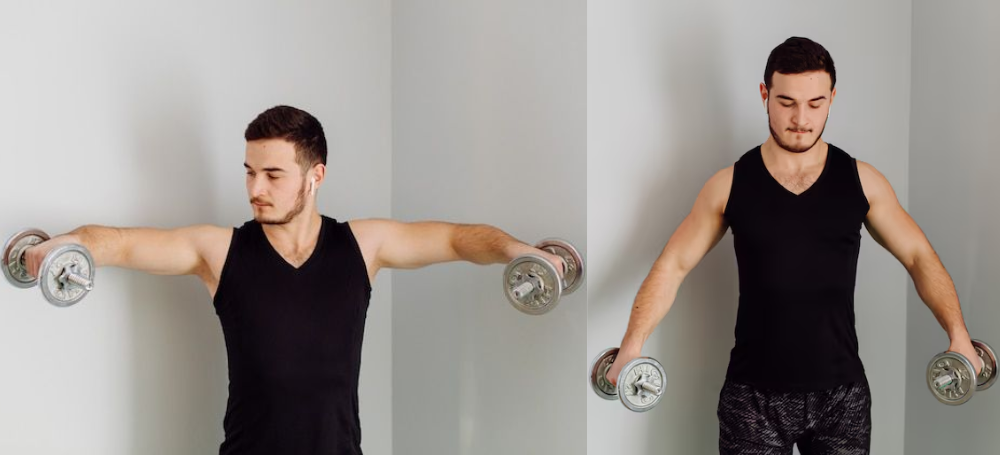
The bent-over dumbbell rear delt fly is a basic and effective rear delt exercise. This exercise strengthens, strengthens, and strengthens the rear delts and helps improve shoulder balance. It can be easily performed both in the gym and at home.
How to Exercise-
First:
- Hold light dumbbells in both hands.
- Bend your knees slightly.
- Bend forward from the waist.
- Keep your back straight.
- Let your hands hang down.
- Now slowly raise both arms to the sides.
- Bring your hands to shoulder level.
- Then slowly lower them.
Correct Form-
For this:
- Keep your back straight.
- Keep your neck in a neutral position.
- Keep your movements controlled.
- Avoid jerking.
- Pull the shoulders back.
Select Weights-
For this:
- Always start with a lightweight.
- Choose a weight that won’t ruin your form.
- Heavy weights are not necessary.
Breathing Pattern-
- Exhale while raising your arms.
- Inhale while lowering your arms.
Reps and Sets-
- For beginners – 12-15 reps × 3 sets.
- For intermediates – 10-12 reps × 3-4 sets.
Common Mistakes-
- Using dumbbells that are too heavy.
- Arching your back.
- Lifting your arms with a jerk.
- Using the front delts.
Benefits-
If practiced regularly-
- Strengthens the rear delts.
- Shoulder balance improves.
- Posture improves.
- Back workouts improve.
- Injury risk decreases.


3. Cable Rear Delt Fly-
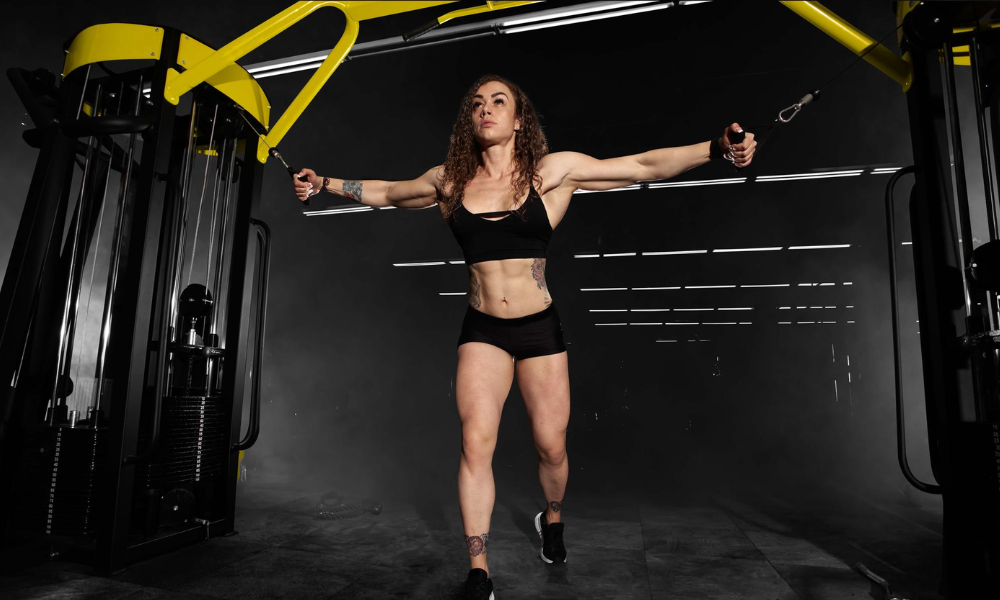
The cable rear delt fly is an excellent rear delt exercise that directly targets the back muscles of the shoulders. Its greatest advantage is that it maintains constant tension on the muscles throughout the movement, which promotes better muscle activation and growth.
How to Exercise-
First:
- Set up low pulleys on both sides of the cable machine.
- Hold the handles with a cross grip, for example, the right hand for the left cable, the left hand for the right cable.
- Stand slightly back, knees slightly bent.
- Keep your back straight.
- Now extend both arms to the sides.
- When the hands reach shoulder level, pause for a second.
- Then slowly return to the starting position.
Correct Form-
For this:
- Keep your back straight.
- Pull your shoulders back.
- Keep your movements under control.
- Avoid jerking.
- Keep your neck in a neutral position.
Benefits of cables-
- Consistent muscle tension is applied throughout all movements.
- Muscle isolation is improved.
- Control and stability are increased.
- Muscle development is accelerated.
Suitable for-
- Intermediate-level gym goers with weak rear delts.
- Those seeking balance in shoulder development.
- Those who don’t get the full muscle feel from dumbbells.
Reps and Sets-
- For beginners – 12-15 reps × 3 sets
- For intermediates – 10-12 reps × 3-4 sets
Common Mistakes-
- Too much weight.
- Extending the arms too quickly.
- Bending the back.
- Using the front delts to generate movement.
Benefits-
With regular practice-
- Rear delts become stronger.
- Shoulder balance improves.
- Posture improves.
- Risk of injury decreases.
- A professional shoulder look is achieved.
4. Face Pull Exercise-
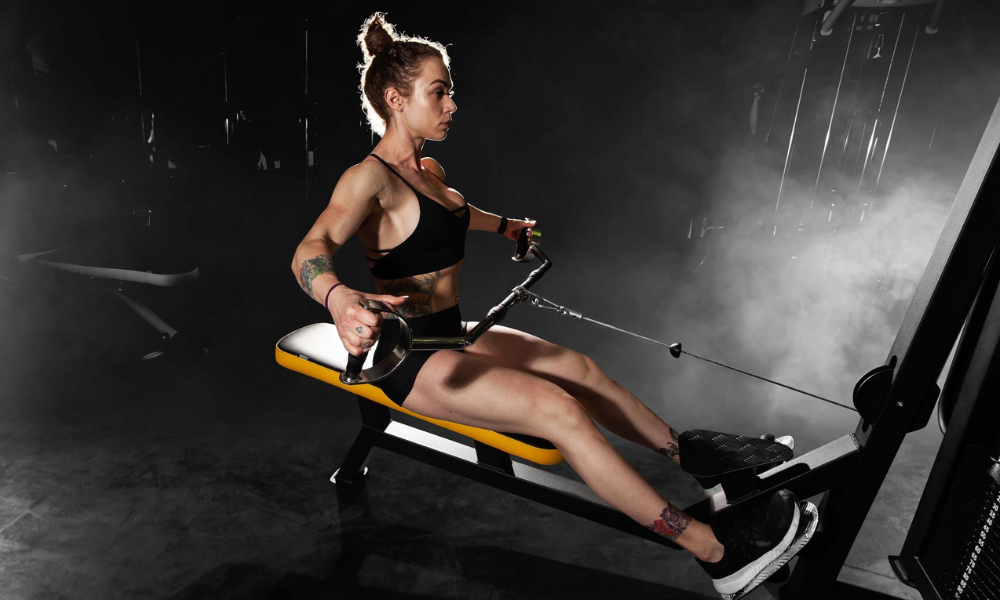
The cable rear delt fly is an important rear delt exercise that directly targets the back muscles of the shoulders. Its most important characteristic is that it maintains constant tension on the muscles throughout all movements, which improves muscle activation and growth.
How to Practice-
First:
- Set low pulleys on both sides of the cable machine.
- Hold the handles in a cross grip, for example, right hand for the left cable, left hand for the right cable.
- Stand slightly back, knees slightly bent.
- Keep your back straight.
- Now extend both arms to the sides.
- When your hands reach shoulder level, pause for a second.
- Then slowly return to the starting position.
Correct Form-
For this:
- Keep your back straight.
- Pull your shoulders back.
- Keep your neck in a neutral position.
- Avoid jerking.
- Maintain control throughout all movements.
Cable Benefits-
- Muscles remain under constant tension throughout all movements.
- Muscle isolation is improved.
- Control and stability are increased.
- Muscle development is accelerated.
Suitable for-
- Those seeking balance in shoulder development.
- Intermediate-level gym goers with weak rear delts.
- Those who don’t fully feel the muscles with dumbbells.
Reps and Sets-
- Beginners: 12-15 reps × 3 sets.
- Intermediate: 10-12 reps × 3-4 sets.
Common Mistakes-
- Using too much weight.
- Extending the arms too quickly.
- Arching the back.
- Using the front delts.
Benefits-
Practicing these exercises regularly:
- Strengthens the rear delts.
- Improves shoulder balance.
- Improves posture.
- Reduces the risk of injury.
- Creates a professional shoulder look.
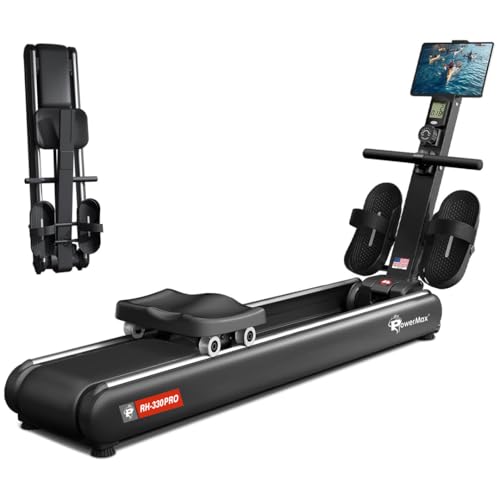
- 16-Level Magnetic Resistance: Customize your workout intensity with 16 precise levels of silent magnetic resistance, pro…
- Robust Aluminum Slide Rail: Features a durable 120cm aluminum slide rail for an exceptionally smooth, quiet glide, suppo…
- Clear LCD Display & Enhanced Comfort: Track your progress on the 2.7-inch LCD display while enjoying superior comfort fr…
Tips for beginners-
Start with light weights and focus on form. Avoid rushing and keep each rep under control.
So, performing these rear delt exercises with proper form and regularity strengthens the rear delts, improves shoulder balance, and reduces the risk of injury.
Rear Delt Exercises to Do at Home-
Not everyone has the time or convenience to go to the gym these days. Therefore, rear delt exercises can be easily performed at home. Exercises performed without machines are not only convenient but also provide better body control. With proper technique and a little discipline, the rear delts can be strengthened at home.
A. Dumbbell Rear Delt Fly (Home Version)-
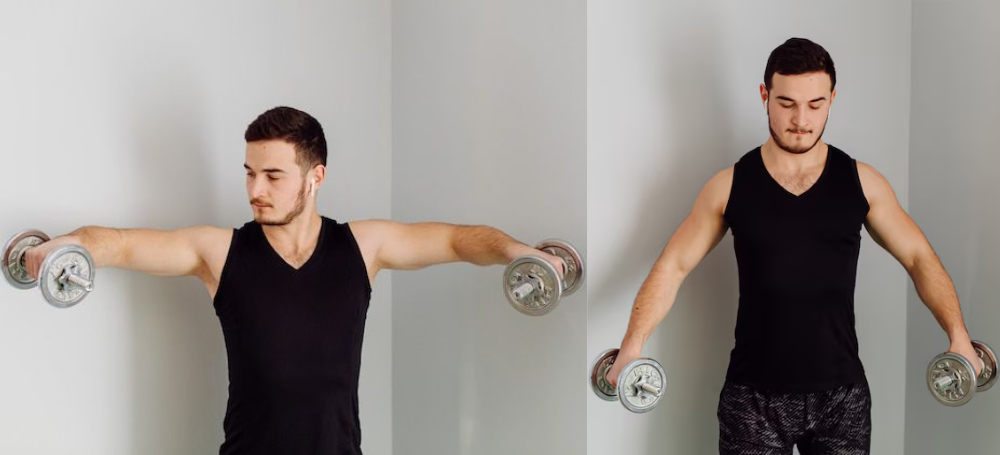
The dumbbell rear delt fly (home version) is one of the easiest and most effective rear delt exercises to do at home. Even if you only have light dumbbells, you can still strengthen the back muscles of the shoulders with this exercise. It is suitable for both beginners and intermediates.
How to Do It-
First:
- Hold light dumbbells in both hands.
- Bend your knees slightly.
- Bend forward from the waist.
- Keep your back straight.
- Let your hands hang down.
- Now slowly raise both hands to the sides.
- Bring them to shoulder level.
- Pause for a second.
- Then slowly lower them.
Correct form-
For this:
- Keep your back straight.
- Keep your neck in a neutral position.
- Maintain control in all movements.
- Do not jerk.
- Pull your shoulders back.
How to Do it with Light Weight-
- Start with 1-3 kg dumbbells.
- Excessive weight is not necessary.
- Correct form is essential.
- Increase the weight gradually.
Breathing Pattern-
- Exhale while raising your hands.
- Inhale while lowering your hands.
Reps and Sets-
- Beginners – 12-15 reps × 3 sets
- Intermediates – 10-12 reps × 3-4 sets
Common Mistakes-
- Using heavy dumbbells.
- Bending the back.
- Lifting the arms abruptly.
- Using the front delts.
Benefits-
Regular practice:
- Strengthens the rear delts.
- Improves shoulder balance.
- Improves posture.
- Easier training at home.
- Reduces the risk of injury.
Additional Tips-
If you don’t have dumbbells, you can also do this exercise with:
- A water bottle.
- A bag full of books.
- A resistance band.
B. Resistance Band Rear Delt Pull-
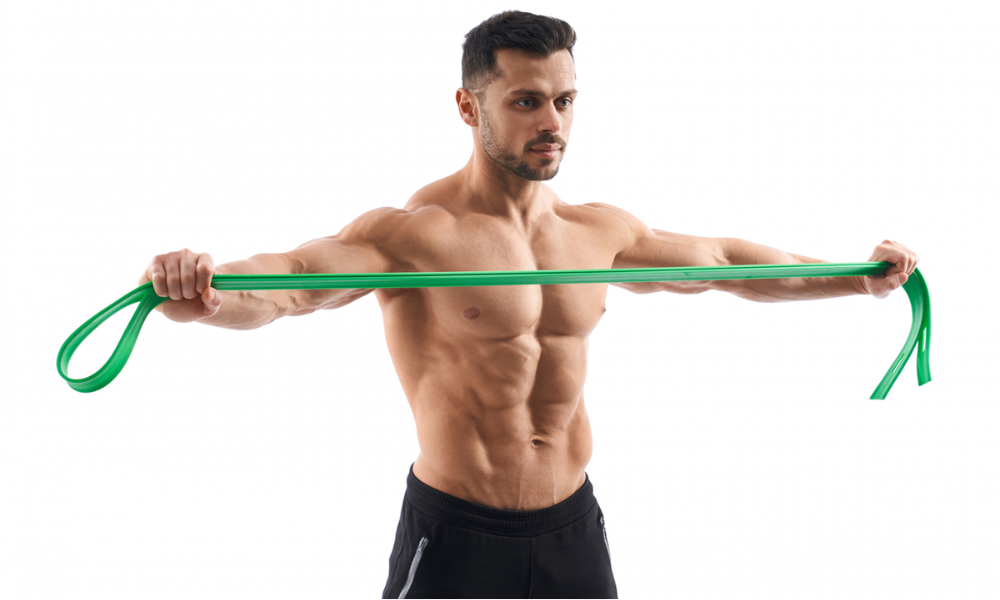
The resistance band rear delt pull is a great home workout exercise that strengthens the rear delt muscles without machines or heavy weights. This exercise is especially suitable for those who train at home, travel, or don’t go to the gym.
How to Exercise-
First:
- Take a strong resistance band.
- Tie the band to a pole or door handle in front of you.
- Hold the band with both hands.
- Stand upright, knees slightly bent.
- Keep your arms straight in front.
- Now pull the band towards you.
- Move your elbows outward.
- Bring them close to your shoulders and hold for a second.
- Slowly move your hands back and forth.
Correct Form-
For this:
- Keep your back straight.
- Keep your chest slightly out.
- Pull your shoulders back.
- Maintain control in all movements.
- Keep your neck in a neutral position.
Benefits of the Band-
- No machine required.
- Travel-friendly workout.
- Joint-friendly exercise.
- Controlled tension.
- Safe and stable movement.
Reps and Sets-
- For beginners – 15-20 reps × 3 sets
- For intermediates – 12-15 reps × 3-4 sets
Common Mistakes-
- Pulling too fast.
- Making jerky movements.
- Extending your neck.
- Bending your back.
Suitable for-
- Home workouts.
- Beginners to the gym.
- For those looking to improve their posture.
- For those suffering from shoulder pain.
- For fitness enthusiasts who travel.
Bodyweight and Band Combination Tips-
If you want to do a complete shoulder training session at home, try these exercises:
- Band rear delt pull.
- Band side raise.
- Band front raise.
- Band face pull.
- Bodyweight row movement.
![Slovic Resistance Tube [Upto 45 KG] | Resistance Band for Workout...](https://m.media-amazon.com/images/I/51u3p5UsQ-L.jpg)


C. Bodyweight Rear Delt Movement-
The bodyweight rear delt movement is the best option for those who want to exercise their rear delts at home without any equipment. This exercise is especially safe for beginners, fitness beginners, and those with joint pain or shoulder strain.
1. Wall Rear Delt Raise-
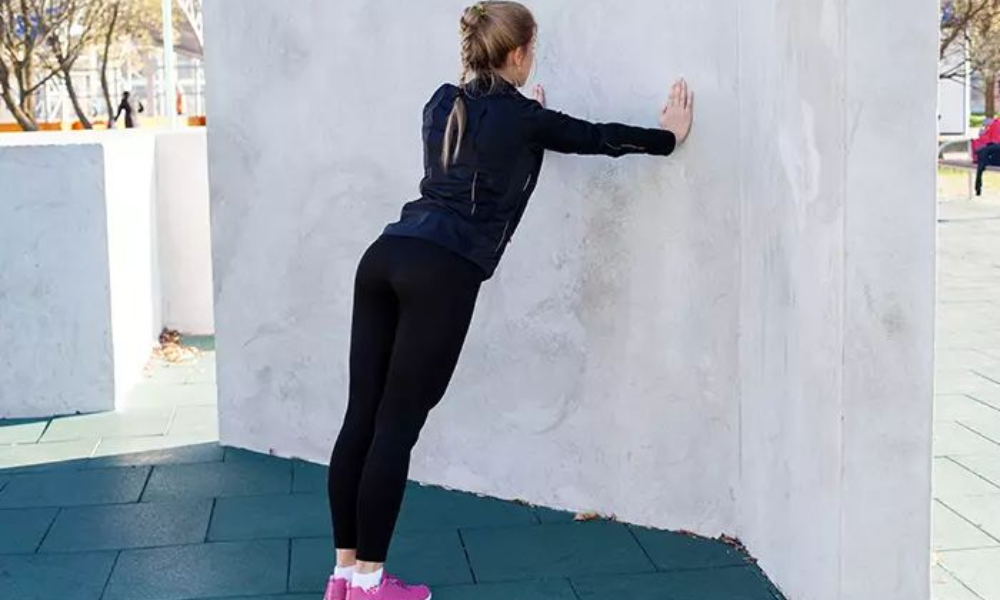
The wall rear delt raise is an easy, safe, and effective bodyweight rear delt exercise that can be performed at home without any equipment. It is especially ideal for beginners, home workouts, and those with shoulder or neck pain.
How to Exercise-
First:
- Stand facing a wall.
- Place both hands in front of you.
- Lean slightly toward the wall.
- Keep your back straight.
- Slowly extend your arms out to the sides.
- Lift to shoulder level.
- Hold for 1-2 seconds.
- Slowly lower back down.
Correct Form-
For this:
- Keep your back straight.
- Maintain control throughout all movements.
- Keep your neck in a neutral position.
- Pull your shoulders back.
- Avoid jerking.
Reps and Sets-
- For beginners: 15-20 reps × 3 sets.
- For intermediates: 12-15 reps × 3-4 sets.
Common Mistakes-
- Extending your neck.
- Bending your back.
- Jerking your arms.
- Too fast a movement.
Benefits-
If practiced regularly:
- Rear delt activation.
- Improved posture.
- Improves shoulder stability.
- Safe home workout.
Suitable for-
- Home workouts.
- Gym beginners.
- People are improving their posture.
- People suffering from shoulder pain.
Additional Tips-
Incorporating this exercise into your daily routine, such as:
- Warm-ups
- Activation sets
- Recovery days
This will activate the rear delts and make the main exercise more effective.
2. Prone Y Raise-
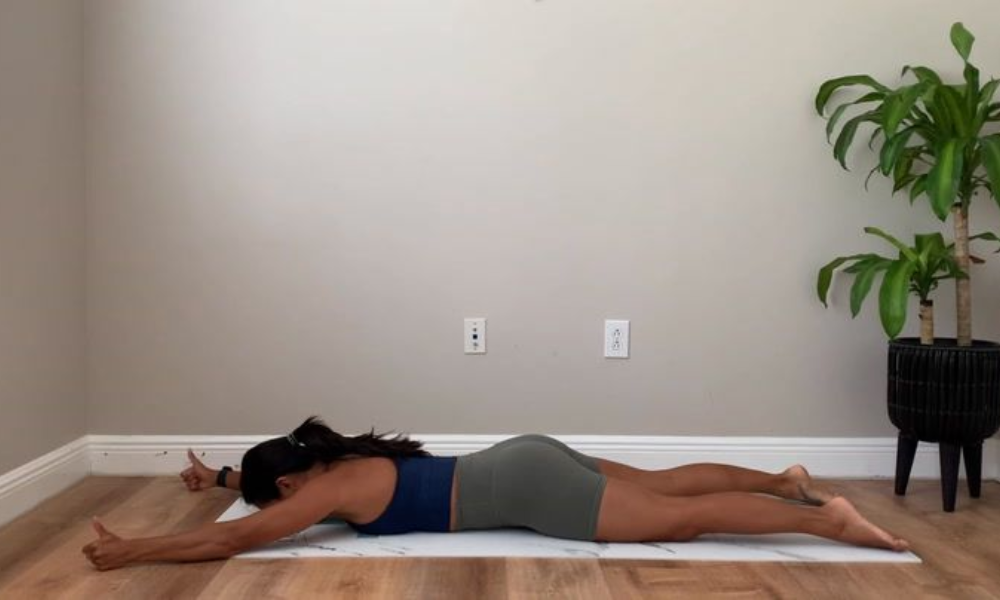
The prone Y raise is an effective, safe, and professional-level bodyweight exercise that strengthens the rear delts, upper back, and shoulder stability muscles. This exercise is also very suitable for physiotherapy, rehab training, and athlete training.
How to Practice-
First:
- Lie on your stomach on the floor.
- Keep your legs straight.
- Extend your arms overhead in a Y shape.
- Keep your forehead slightly above the ground.
- Now raise both hands.
- Pull your shoulders back and down.
- Hold for 1-2 seconds.
- Slowly lower your hands.
- Relax and repeat.
Correct Form-
For this:
- Keep your neck in a neutral position.
- Keep your movements slow and controlled.
- Do not lift your shoulders toward your ears.
- Do not strain your lower back.
Reps and Sets-
- For beginners – 12-15 reps × 3 sets
- For intermediates – 15-20 reps × 3-4 sets
Common Mistakes-
- Making too fast a movement.
- Raising the neck higher.
- Creating a greater arch in the waist.
- Lifting the arms abruptly.
Benefits-
If practiced regularly:
- Strengthens the rear delts.
- Strengthens the upper back.
- Improves body posture.
- Increases shoulder stability.
- Reduces the risk of injury.
Suitable for-
- Home workouts.
- Beginners to the gym.
- People are improving their posture.
- People suffering from shoulder pain.
- Athletes.
- For physio-recovery programs.
Additional Tips-
Incorporating this exercise into your daily activities, such as:
- Warm-ups
- Activation sets
- Recovery days
This will activate the rear delts more and make the main exercise more effective.
3. Rear Delt Squeeze-

The rear delt squeeze is a very simple yet extremely effective bodyweight exercise specifically designed to activate the rear delt muscles. This exercise can be done as a warm-up before a gym workout, as a home workout, or as a posture correction break at the office.
How to Practice-
First:
- Stand upright.
- Keep a slight gap between your feet.
- Extend both arms to the sides.
- Keep your palms facing out.
- Now pull your shoulders back.
- As if you are pressing two objects behind your back.
- Hold for 3-5 seconds.
- Relax slowly.
- Repeat.
Correct Form-
For this:
- Keep the back straight.
- Keep the chest slightly out.
- Keep the neck in a neutral position.
- Keep breathing normally.
- Do not lift the shoulders toward the ears.
Reps and Sets-
- For beginners: 10-12 reps × 3 sets
- For intermediates: 12-15 reps × 3-4 sets
Hold for 3-5 seconds per rep
Common Mistakes-
- Protruding the neck.
- Excessive arching of the waist.
- Lifting the shoulders.
- Moving too quickly.
Benefits-
If practiced regularly:
- Rear delt activation.
- Shoulder bone control.
- Improves body posture.
- Good exercise for joints.
- Injury prevention.
- Strengthens brain-muscle connection.
Suitable for-
- Home workouts.
- Gym beginners.
- Posture correction.
- Posture correction.
- People suffering from shoulder pain.
- Home workouts.
- People who sit for long periods of time in the office.
Rear Delt Exercises: Conclusion-
Rear delt exercises are often overlooked exercises for the rear delt muscles, but they play a vital role in building strong and healthy shoulders. Exercising only the front and side delts and neglecting the rear delt exercises can lead to shoulder imbalance, poor posture, pain, and a progressively increased risk of injury.
Rear delt exercises aren’t a race to lift heavy weights; they’re a game of proper form, control, and consistency. Performing rear delt exercises slowly, correctly, and regularly will not only strengthen your shoulders but also enhance your balance, stability, and aesthetic appearance.
Remember, strong rear delts are essential not only for aesthetics but also for improved daily movement, pain-free shoulders, and fitness. With regular rear delt exercises and proper training, you can not only strengthen your shoulders but also achieve better results in overall shoulder and back development.
So start rear delt exercises today.