
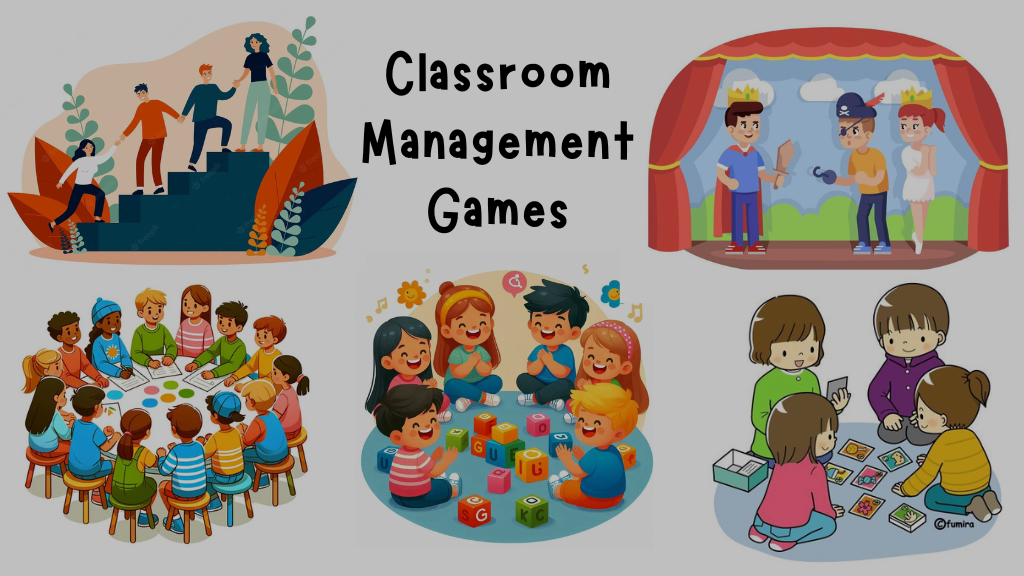
Classroom Management Games: Introduction–
“In today’s digital age, it is difficult to manage a classroom with only poles or rules. That’s why teachers can use games to increase children’s attention span and engagement.”
Table of Contents
In the present times, education is not limited to books only. It is a process in which students not only acquire knowledge but also emulate it in their personal life, social life, and moral life. Education and the classroom are inextricably linked. Because the classroom is the place where education begins and the real experience is generated, which continues throughout life. In such a situation, for classroom management, the school or educational institution becomes an extremely important subject. Classroom management is an important tool for enhancing the quality of education and keeping the classroom tidy.
Classrooms are not limited to books or notes. It is also a centre for developing the personalities, social skills, and feelings of mutual cooperation of the students. In this, all the students share their ideas, ask questions, and also participate in all the creative activities. Through all these processes, education is not limited to information only, but also develops the memory, decision-making ability, and critical thinking of the students. No matter how important a subject is, it can only be taught effectively if the classroom is in a disciplined, structured, and stimulating environment.
The relationship between education and the classroom is such that structure, engagement, and positive environment come together to make the learning process meaningful. A good classroom establishes a positive relationship between teachers and students. It not only enhances the quality of education but also makes the learning process interesting and impactful. Thus, the classroom is the platform of education where teachers and students work together to make the process of knowledge exchange a success.
Classroom Management-
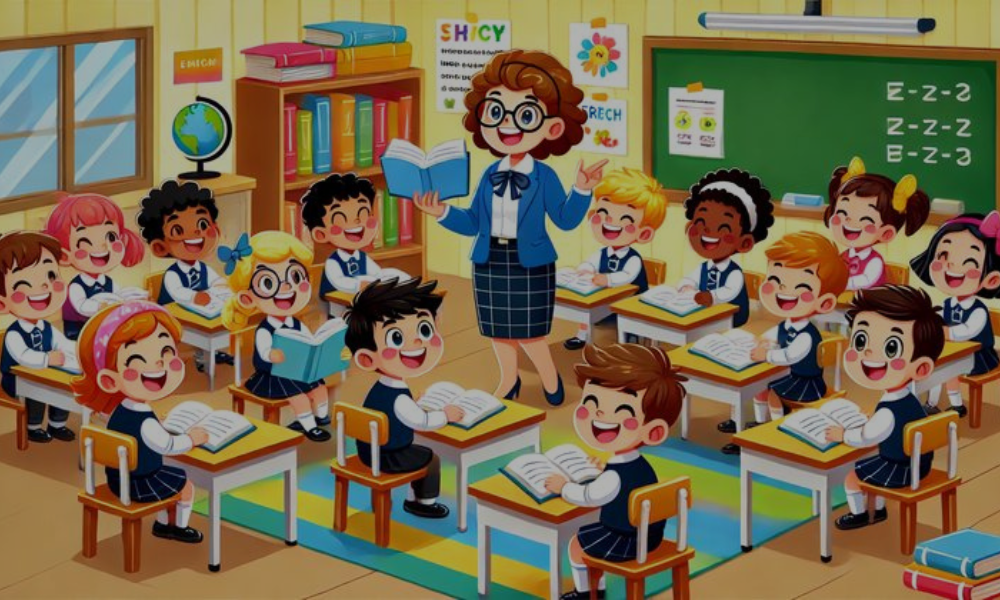
Classroom management is the cornerstone of any teaching process. It is not just about keeping students calm, but it is also an art of creating a conducive learning environment. In a properly managed classroom, students are more active, more focused, and able to fully develop their skills. Good classroom management helps maintain control over the classroom and provides an opportunity for all students to learn and understand positively. This includes time management, clear rules, and attention to the individual problems and needs of the students, all these processes.
Meaning and Definition–
Classroom management means creating an environment in the classroom where students can be disciplined, proactive, and motivated and joyful about learning. Classroom management, therefore, is a wonderful art of the teaching process, in which the teacher directs the interest, energy, and attention of each student towards the study in a thoughtful way. Through this, teachers also increase confidence in students, active participation in teamwork, ability to concentrate, creative thinking, and spirit of cooperation. But for a teacher, the easier it is to simply say, the more difficult it becomes to apply it in the classroom.
Some of the key elements of classroom management make it impactful and important. For example-
1- Rules and Discipline-
The foundation of any successful classroom rests on clear rules and discipline. When the individual needs of the students are met, they automatically become disciplined. However, all these rules and disciplines should not be rigid, but collaborative. So that all students can accept them.
2- Time Management-
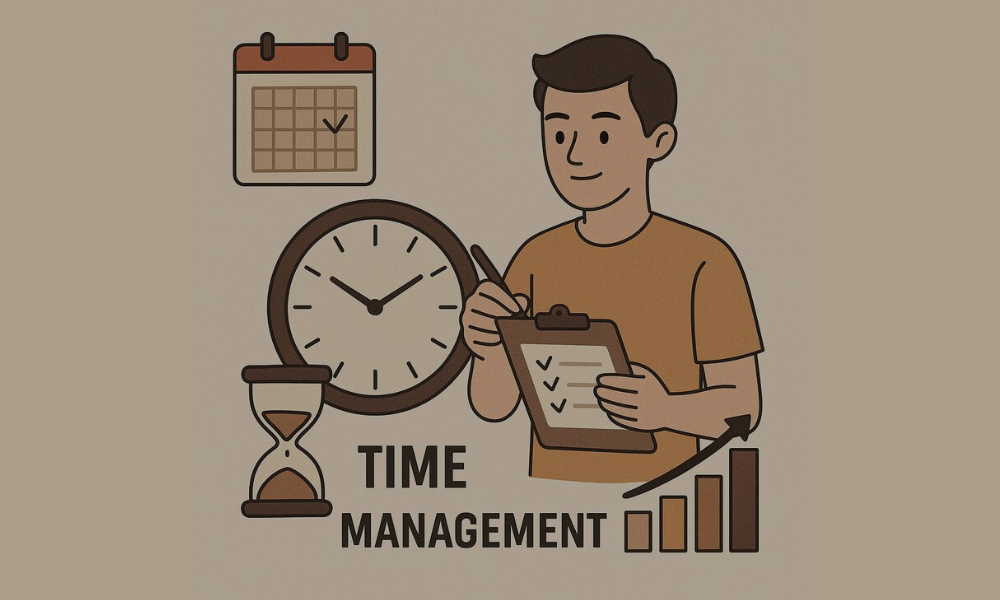
An effective teacher, making the most of each moment. By completing all the activities within the stipulated time, not only teach discipline, but also increases the sense of time management in the students.
3- Student participation-
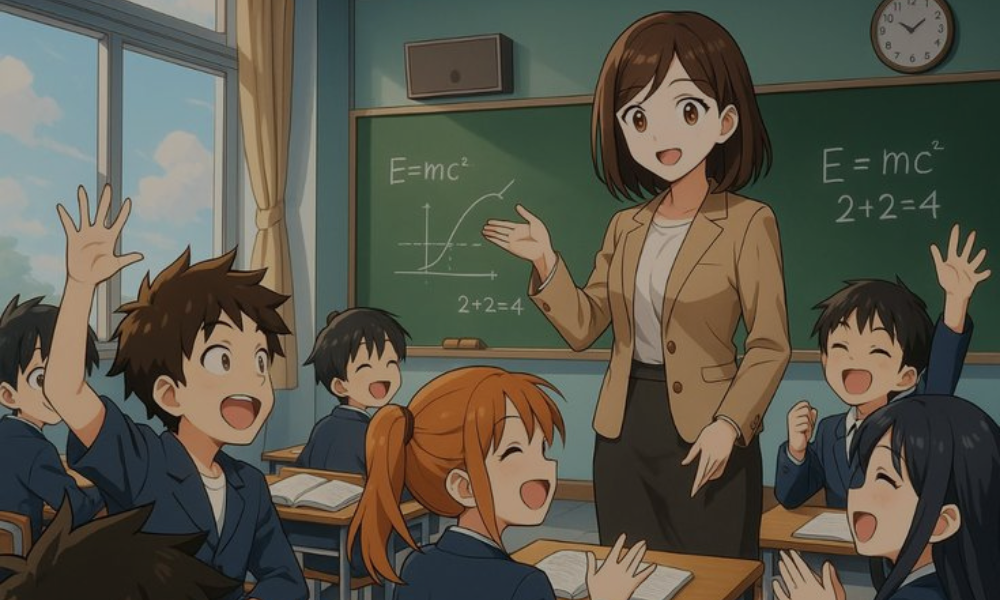
When students actively participate in each of the activities, discuss among themselves, ask questions, and answer, the classroom environment comes alive. This participation increases both self-confidence and self-reliance in the students.
4- Positive environment-

A truly positive learning environment is an environment where children have the freedom to correct their mistakes, as well as where there is more encouragement in place of fear.
Classroom management, therefore, provides the teacher with the ability to not only control the classroom but also enhance the quality of learning of the students.
But in the present situation, the attitudes of all students are not the same. Some of them are quickly distracted, some talk too much, some are shy, and some are overzealous. Connecting all these students and creating a balanced educational environment is not so easy. Many times, even after many efforts of the teacher, the students are not able to concentrate in the classroom. They either get bored, get entangled with their friends, or don’t mind studying for other reasons. In such a scenario, classroom management games emerge as an effective and important solution.
Classroom Management Games–
Classroom management games are not just a means of entertainment, but also infuse joy, energy, and engagement in the minds of students. When students learn playfully, they not only understand well but also remember it for a long time.
All these games inculcate in students many qualities like teamwork, leadership, ability to concentrate, and discipline, which are not always possible with traditional studies.
When teachers use games related to a chapter, whether it is a small quiz, group activity, or a game based on the point system, it shows enthusiasm among the students. They immediately actively participate, share their thoughts, and most importantly, they begin to understand the ‘learning process’ joyfully. Where earlier there was noise, distraction, and a negative environment towards studies among students, now there is an atmosphere of participation, enthusiasm, and positive competition. This change makes it lively for any classroom environment.
Many educators have the experience that when they adopt interactive games and activities, in place of the traditional method, there is a significant improvement in students’ attendance as well as attention and performance. For example, before teaching any subject, using small games like ‘Brain Booster Quiz’ gets the attention of the students immediately. Or through ‘role play games’, subjects like history or social sciences can be made very simple and interesting, so that students learn to experience not only facts but also situations.
In fact, classroom management games are not just a method of maintaining discipline, but an effective and important tool of modern teaching. Through this, the active participation and natural curiosity of the students also increase. They give direction and create them. Through classroom management games, teachers maintain control of the classroom as well as cater to the individual needs of the students. In today’s smart era, classroom management games are the medium that keeps students focused, excited, and motivated to study.
Therefore, it is not wrong to say- “In today’s digital age, it is difficult to manage a classroom with just poles or rules. That’s why teachers can use games to increase children’s attention span and engagement.”
Purpose of the Blog-
The main objective of this blog is to make teachers, students, and all the readers associated with education aware of the complete details of classroom management games. Additionally, in this blog, the importance of classroom management games, the types of games, some popular classroom games, and their practice,
A complete list of tips, educational benefits and challenges, and solutions to make the games a success is presented. Through this blog, it has been reported that classroom management games, such as quizzes, puzzles, team activities, and point systems, also develop students’ thinking ability, self-confidence, and social skills.
Also, this blog encourages teachers to adopt the ideology of “play and teach” in their classrooms, making education enjoyable and beneficial for students.
Helpful Resources-
If you want a personal planner, I can help you. You can get a variety of Planners with the help of the website, vijaybooks.store. Other blogs related to this are also available.
There is also another blog related to this blog.
Classroom Management Games: Significance-
“When children learn based on classroom management games, their memory and comprehension are sustained for a long time. Games encourage positive behavior. ”
Classroom management games are a powerful medium to make education extremely interesting, lively, impactful, and important. These are not just games, but strategies that students enjoy and learn from. In the modern education system, where lack of concentration and the habit of boredom a big challenges among the students, all these types of games keep the students active, excited, and focused.
1- Increase in active and excited-
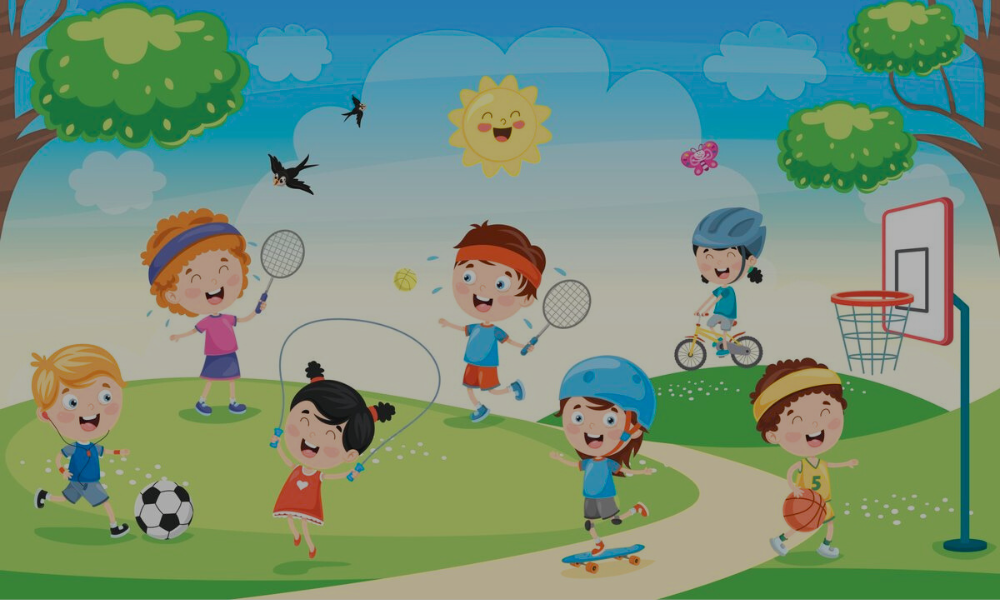
Classroom management games keep students active and excited. When students participate in sports, they naturally connect. They not only continue to understand but also become active participants in the learning process.
2- Increase in interest in studies-

Classroom management games increase the interest of students in studying. In traditional teaching, students sometimes seem monotonous, but when the same subject is presented in the form of a game, students begin to understand it more joyfully. It’s a beautiful blend of entertainment and education.
3- Increase in teamwork and social skills–

Classroom management games enhance teamwork and social skills in students. Through group games, the students develop a sense of cooperation, sharing ideas, respect, etc., towards each other.
4- Increased concentration and memory power-

Classroom management games also increase students’ concentration and memory. When students use information repeatedly during the game, it is also remembered for a long time. Thus, when games encourage positive behavior, their concentration and memory power are maintained for a long time.
Classroom management games, thus, not only make studying enjoyable but also play an important role in the personality development and behavioral improvement of the students.
Classroom Management Games: Types of Games-
There are many types of classroom management games, and their purpose, in every way, is to develop different skills of the students. Teachers can choose all these types of games according to the requirements, subject, and age of the students in their class. The major categories of all these games are given below.
1- Educational Games–
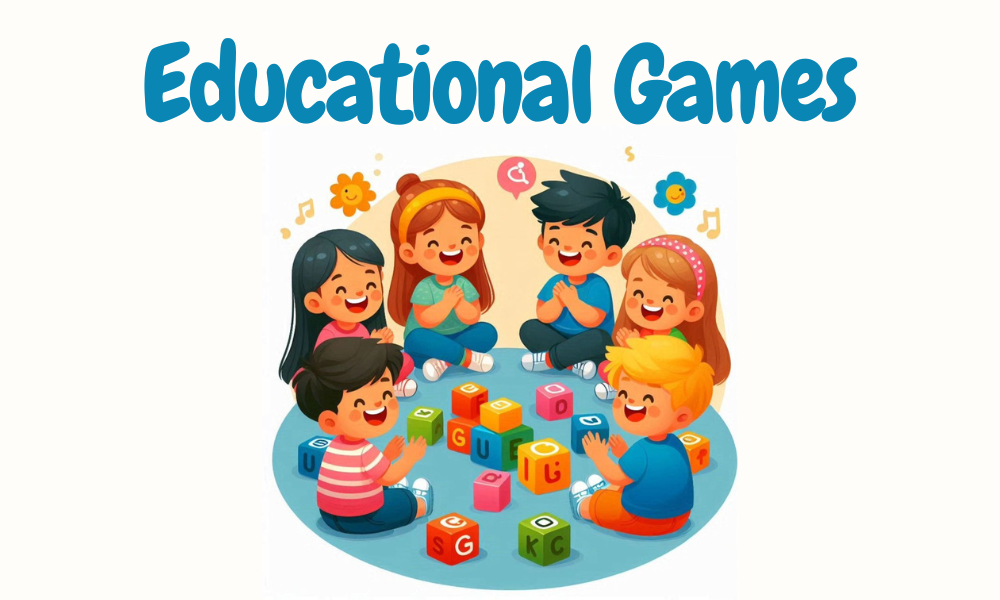
Under Classroom Management Games, educational games are aimed at increasing the knowledge and understanding, and interest of the subject in the students. Word searches, puzzles, and mathematical games, such as word searches, not only make studying interesting but also develop the problem-solving abilities of the students.
Through such games, students memorize new words, formulas, or concepts, without pressure.
2- Participation Games-
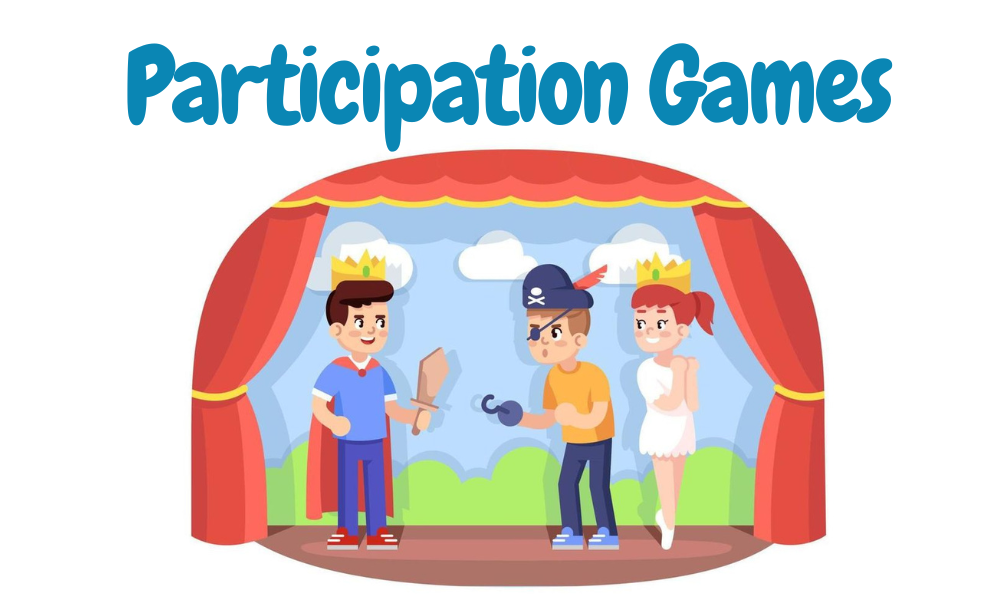
Participatory games, under Classroom Management Games, encourage students’ active participation and communication skills. Such as quizzes, story building, and role-play. In all these activities, students learn to express their views, listen, and understand the perspectives of others. All these types of games also help in increasing the confidence of the students.
3- Team Games–
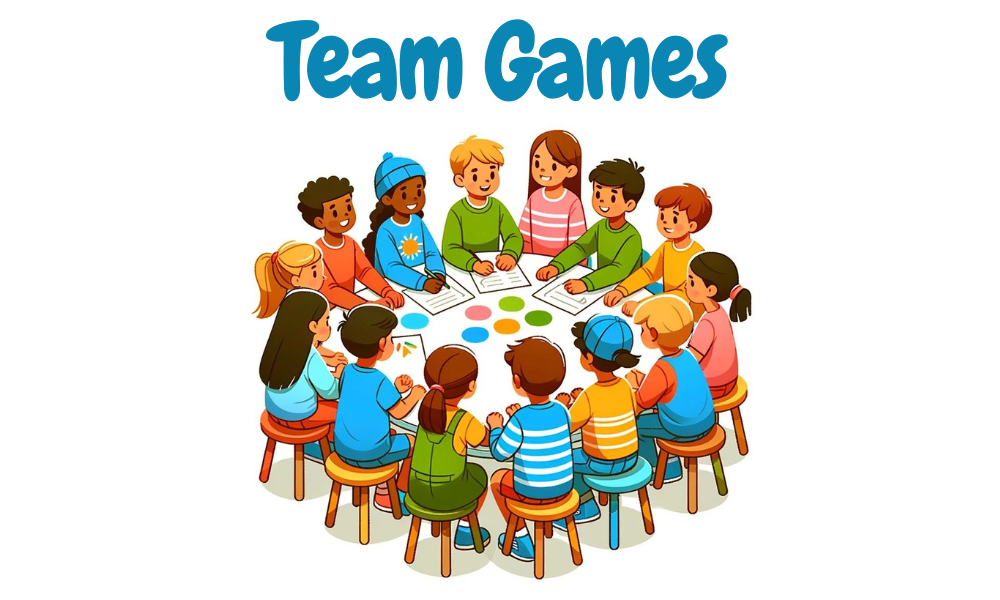
Team games, under classroom management games, develop the spirit of collaboration, leadership, and teamwork in students. For example, group project competitions or team challenges. In such games, every student helps each other and develops a sense of collective success.
4- Concentration-enhancing games-
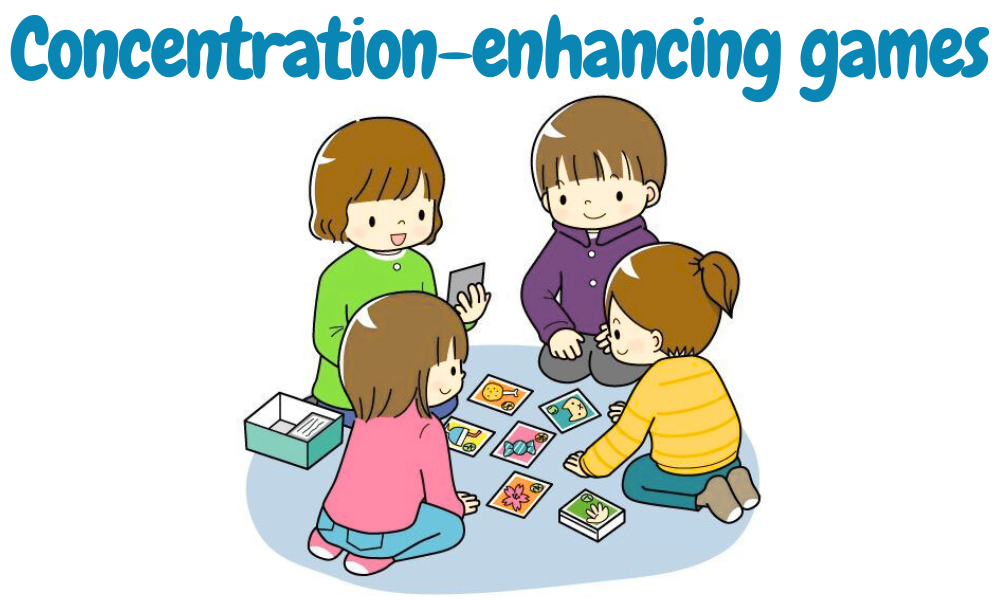
Under classroom management games, concentration enhancement games aim to enhance students’ attention and memory. Such as memory games or mindfulness activities. With these, students learn and can remember information for longer periods of time.
5- Positive Behavior Incentive Games-
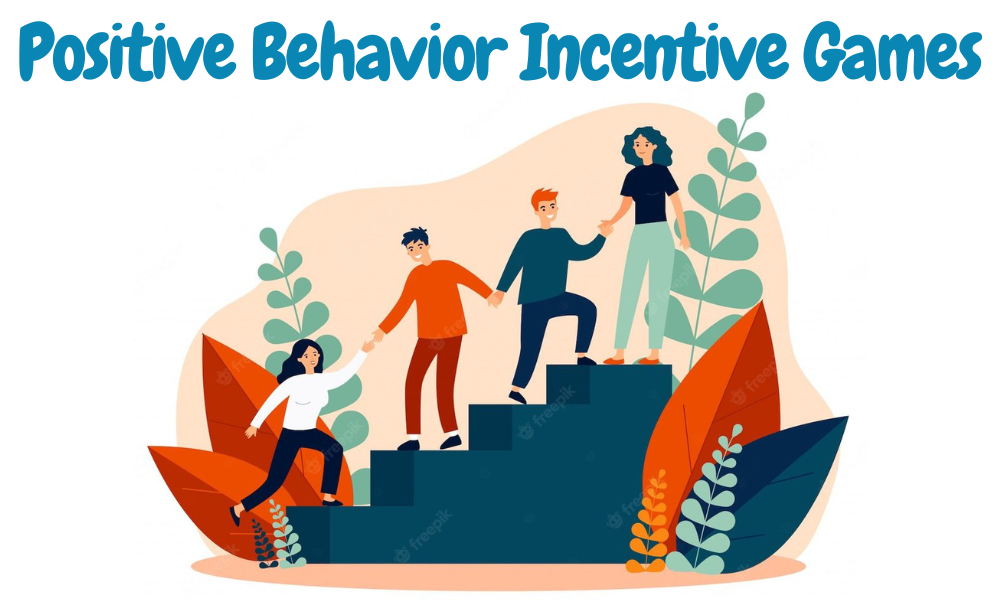
Positive behavior motivational games under Classroom Management Games motivate students to behave well and be disciplined. For example, the points system or the ‘Good Behavior Race’.
With all these types of games, students understand that positive behavior always results in a pleasant one, making the class atmosphere natural, disciplined, and enthusiastic.
Classroom Management Games: Some popular classroom games and their practice–
For discipline and study in the classroom, striking a balance is every teacher’s challenge. But when games are added to it, the challenge turns into an enjoyable experience. Below are some popular classroom management games that can be easily adapted to any subject or age group.
1- Stop and Think Game–
Objective: To develop attention and quick decision-making.
Mode of Play- In this game, under Classroom Management Games, the teacher suddenly presents a question or situation in front of the students, and the students have to answer in a few seconds. For example, “What would you do if you produced more noise in the classroom?”
With this type of play, children develop the habit of quick thinking and decision-making. This especially helps to concentrate and makes the class atmosphere instantly energized.
2- Word Match-
Objective: To enhance language skills and vocabulary.
Description of Activities- In this game, under Classroom Management Games, the teacher chooses a subject. For example, ‘environment’ or ‘festival’. In this, students have to think of as many words or sentences related to that topic and share them in groups.
This game not only increases language proficiency but also teaches children to work collectively.
3- Team Quiz–
Objective– To encourage knowledge and teamwork.
Description of Activities- In this game, under Classroom Management Games, students are divided into teams, and each team is asked questions on a rotational basis. In this, points are awarded for the correct answer, and at the end, the winning team gets the prize.
The game instills a sense of collective cooperation with competition among the students and provides them with an opportunity to revisit various subjects.
4- Draw & Share-
Objective: To develop creativity and communication skills.
Description of Activities- Under classroom management games, in this game, a word or idea is given to the students by the teacher. For example, ‘friendship’ or ‘nature’. Students draw based on it and then tell the story of their creation.
This activity enhances children’s imagination, self-expression, and communication skills.
5- Good Behavior Point Game-
Objective: To encourage positive behavior and discipline.
Description of Activities- Under the classroom management games, all the good behaviors in this game, such as completing work on time, listening attentively, helping others, etc. On all these types of activities, students are awarded points, and at the end of the week, the student with the highest score is given a small prize, praised.
This game creates an environment of discipline, motivation, and collaboration in the classroom, leading students to willingly engage in good behavior.
The purpose of all these types of games is not only to be fun but also to provide a collaborative contribution to the overall personality development of the students. All these types of games enliven the classroom, connect the teacher with the students, and turn studying into a joyful experience.
Classroom Management Games: Tips to Make Games Successful
Under classroom management games, games are successful only when the teacher maintains the interest of the students in the classroom and fulfills the purpose of teaching. A teacher must present sports as a medium of study, not just as entertainment. Below are some practical tips that can make any classroom management game more impactful and important.
1- Choose games according to the age and ability of the children-
Under classroom management games, students of all ages have different abilities, attention, and memory. Simple and quick games are suitable for younger children, while for older students, analytical or team-based activities are preferable.
2- Setting time limits-

Under classroom management games, in a good game, there should be a balance of time. Too-long games can make children bored. While a very small game does not serve the purpose.
3- Giving clear rules and instructions-
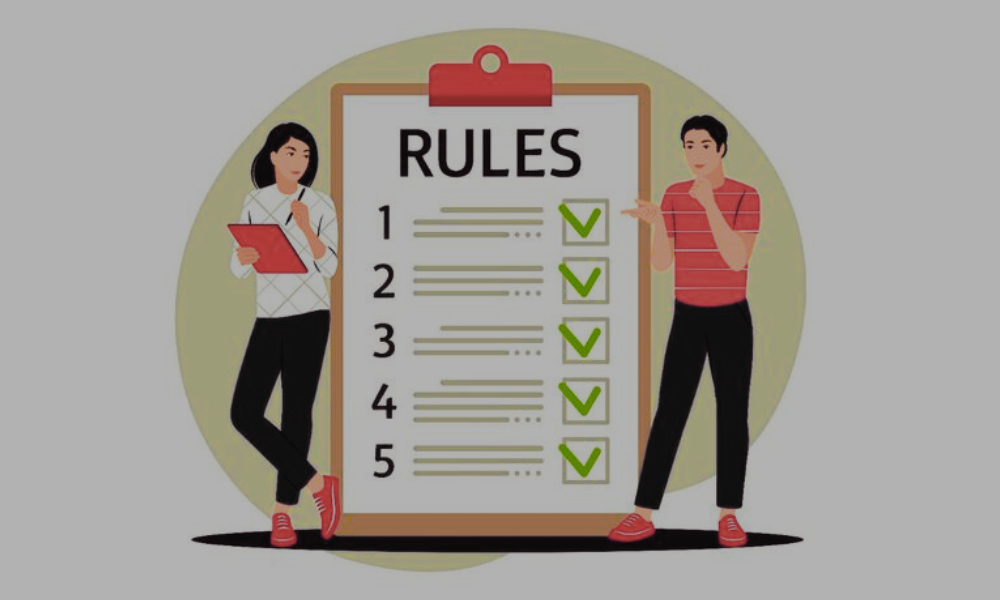
Under classroom management games, it is essential to provide clear rules and instructions for the game before starting the game. This ensures both discipline and transparency among the students.
4- Ensuring participation-
Under Classroom Management Games, participation of every student in any game should be ensured, so that all students get an opportunity to participate equally. This is essential for building confidence and bringing cohesion to the group.
5- Giving positive incentives and rewards-
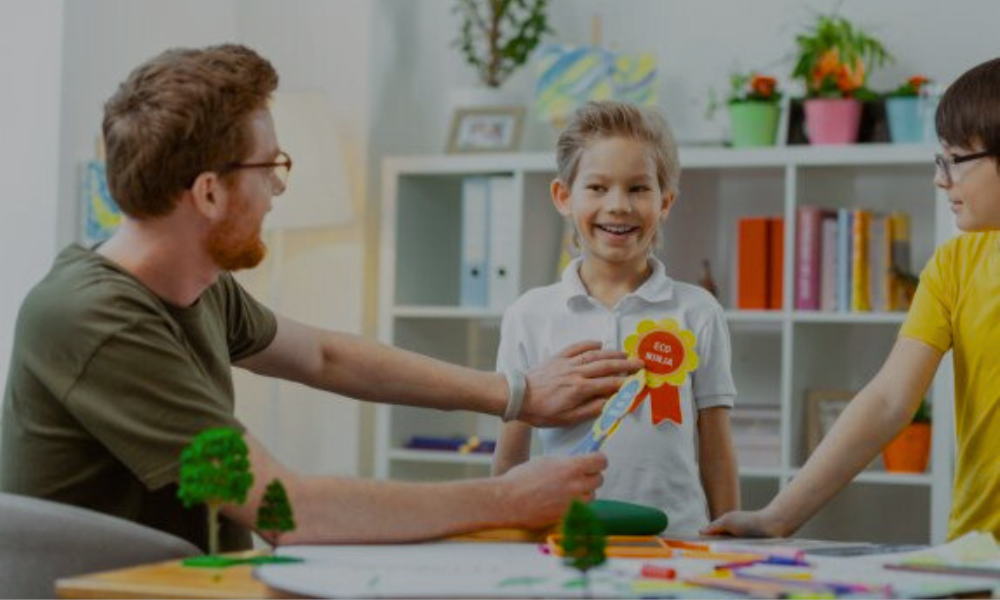
Under classroom management games, in any game, small rewards, clapping, or words of appreciation all motivate the students. This creates a desire in all those students to perform better next time.
6- To review the game and clarify the education related to it.
At the end of each game under Classroom Management Games, spend a few minutes discussing what students learned. This makes the sports activity not just fun but a meaningful learning experience.
“The simpler and more interesting the game, the more students will pay attention.” The teacher should always pay attention to the participation of each student. ”
Classroom Management Games: Educational Benefits-
Classroom management games are not just a means of entertainment, but they are an important part of the academic and personal development of students. Through all these games, students not only understand the subject better, but also learn many practical life skills.
1- Increase in problem-solving ability-
All these games, under Classroom Management Games, enhance students’ ability to think and problem-solve. When a game requires strategy, decision, or a solution to be found, children think creatively. This develops their logical ability.
2- Improvement in social and emotional skills-
All these games, under Classroom Management Games, enhance the social and emotional skills of the students. In group games, students learn to collaborate, resolve differences, and understand the emotions of others. This leads to increased empathy and a sense of teamwork.
3- Development of self-confidence and leadership skills-
All these games, under Classroom Management Games, develop the confidence and leadership skills of the students. When a student performs well in sports or leads a group, a sense of self-esteem and responsibility is awakened.
4- Increase interest and motivation in learning-
All these games, under Classroom Management Games, increase interest and motivation in studying. When students learn joyfully, they see studying not as a burden, but as a pleasure.
5- Understanding of Time Management and Discipline-
All these games, under classroom management games, develop time management and discipline. Completing tasks in a limited amount of time, following the rules, and coordinating with the team, prepares students for life skills.
“A small game also helps students not only in studies but also teaches them the skills they need for life. ”
Classroom Management Games: Challenges and Solutions–
Classroom management games, as useful and impactful as they are, also need to be implemented with care. Since the environment of every classroom, the behavior of each student, and the teaching method of the teacher are different, the success of the Games comes with some challenges.
1- Lack of time-
Problem: Teachers often complain that the syllabus is already long, making it difficult to find time for games. Many times, there is also a fear that due to sports, the study time may not be affected.
Solution– Under Classroom Management Games, choose short and purposeful games to deal with time constraints.
Example — Games like ‘5 Minute Quiz’, ‘Flash Card Game’, or ‘Focus and Race’, which leave a learning effect in a very short time. Teachers can also use games to connect them to the subject, so that both studies and games go hand in hand.
2- Participation of all children–
Problem- Many times, some students are overly active, while some are shy or withdrawn. This leaves only a few students participating in sports and other students inactive.
Solution- Under classroom management games, the teacher should use rotation and group games, so that every student gets a chance to participate. For this, by forming small groups and sharing roles, every student remains active in some way or the other. Sometimes, teachers can also adopt strategies like ‘change leaders’ so that every child gets the opportunity to lead.
3- Behavior control–
Problem- Many times during the game, the students start making noise due to over-enthusiasm or do not follow the rules, which can spoil the discipline of the class.
Solution- Under classroom management games, it is essential to clarify the rules and explain the importance of following them to students before starting the game. Along with this, adopting a point system or reward chart keeps students motivated for positive behavior. For this, the teacher should ensure that the game remains focused on fun as well as learning.
Under Classroom Management, Games like this, with a little planning, clear rules, and a positive attitude, every challenge can be turned into an opportunity. Classroom management games are successful only when the teacher maintains a balance between both enthusiasm and control.
Classroom Management Games: Conclusion-
Classroom management games have become an essential part of today’s learning environment. These are not just games, but act as a bridge between learning and discipline. Through classroom management games, teachers can maintain students’ attention, increase their engagement, and enliven the classroom environment.
Classroom management games contribute significantly to the all-around development of students. Through this, they increase the ability to think, collaborate, make decisions, lead, and problem-solve. With all these activities, students see studying not as a burden, but as an exciting experience. When education is associated with joy, its impact is deeper and long-lasting.
It is also an effective and important tool for the teacher, so that he can manage the class easily. His communication with the children improves, and an atmosphere of positive energy is created in the whole class. In this way, classroom management games strike the right balance between education and discipline.
“Classroom games not only engage children but also make the classroom more manageable and interesting for the teacher. It’s a win-win situation. ”
Therefore, all teachers should adopt the ideology of ‘play and teach’, because when learning turns into a game, every student moves towards success.