
Yoga and Exercise: Introduction-
Table of Contents
In the present times, it is natural to harm our health due to irregular and hectic lifestyles, stress of office work from morning to night, study stress, irregular and wrong diet, physical inactivity (lack of yoga and exercise), lack of sleep, etc. Nowadays, the problem of health is also becoming a global problem. For this reason, most people in this world are increasingly falling prey to many types of diseases such as obesity, diabetes, heart disease, high blood pressure, depression, and anxiety. Therefore, keeping your body healthy has become a big challenge.
In such situations, all these health-related problems can be solved only through yoga and exercise. Yoga and exercise not only help keep us physically healthy but also mentally calm, strong, and balanced. Therefore, Yoga and exercise, together, have become essential and integral to our healthy lives. Through them, we can also make our lives healthy, simple, successful, and joyful. Yoga and exercise a methods that we can practice at home, simply and successfully.
The ancient Acharyas, great men and gurus of India, believe that Yoga and exercise are an integral part of the desire of human beings to live a healthy and happy life. All the people living in this human society experience the need for a healthy and happy life. A healthy life develops not only the body but also the mind and soul. People who only want to take advantage of a healthy and happy life by keeping their bodies healthy are not always successful. For this, physical, mental, spiritual, moral, etc., are all given importance.
Yoga and exercise work together like a natural medicine, which provides immunity to our body, even without any medicine. In this blog, we will learn what yoga is, what exercises are.
Yoga and Exercise: What is Yoga?
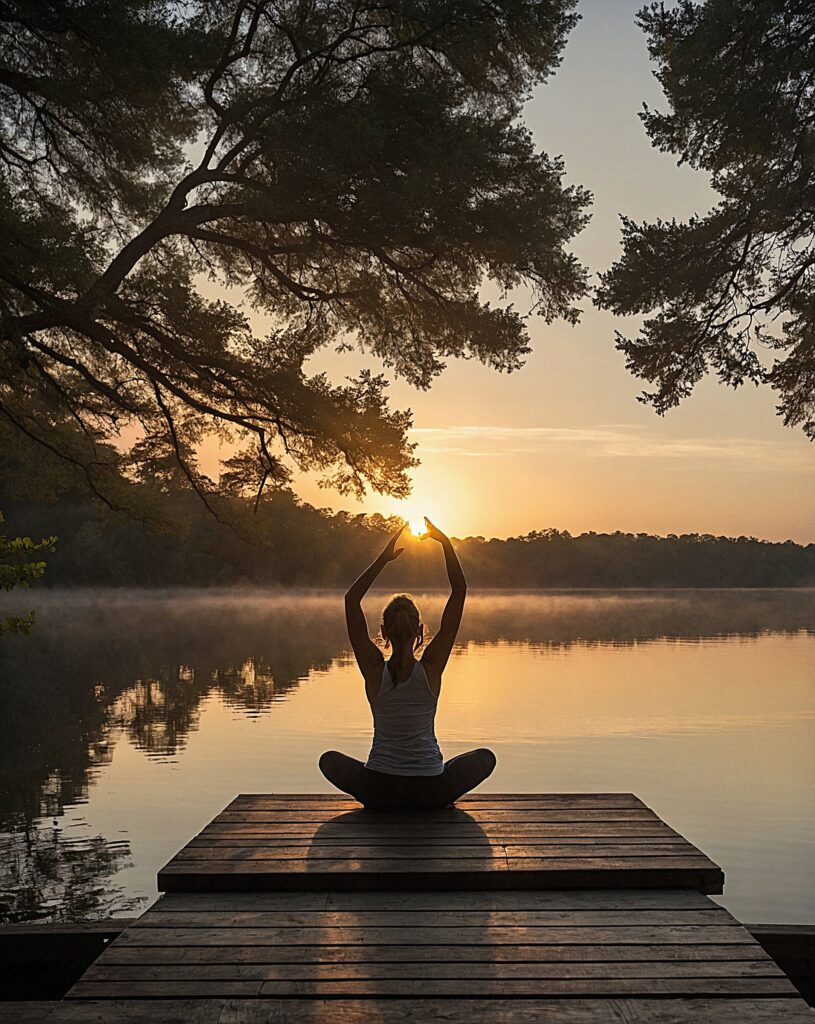
Under Yoga and Exercise, Yoga is an ancient cultural heritage and the best way of life in India. It has been guiding us for healthy living for thousands of years. The Yoga-based way of life for holistic health has been advocated and developed by Indian sages and acharyas since ancient times. Yoga is not just a breathing process or a set of physical exercises to make the body flexible, but an important method of mental, spiritual, and emotional balance.
This method includes one’s own desires, thoughts, bodily functions, diet, rest, and labor, etc. Its purpose is not only to keep the body healthy, but also to establish a complete balance between the body, mind, and soul. Nowadays, in the practice that is going on in the name of yoga, people consider only physical exercise as yoga. Therefore, in trying to make the whole life successful and happy, they do not get as much success as they should.
Meaning and Definition-
The word ‘Yoga’ is derived from the root ‘yuj’, which means ‘union’, ‘joining’, or ‘becoming one’. It has a real meaning and the harmony of body, mind, and consciousness, that is, the union of the soul with the divine. Its purpose is the union of the soul and the divine.
Maharishi Patanjali is widely regarded as the ‘Father of Yoga’. He is credited with compiling and organizing various aspects of yoga in his influential treatise ‘Yoga Sutras’. According to Maharishi Patanjali-
“Yogashchittavrittinirodhah”, meaning “Yoga is the art of controlling the restless tendencies of the mind.” “
From the above, it is clear that yoga is not only related to the body, but also to the conscience of the mind. Yoga is a complete philosophy of life. It includes many elements such as physical practice (asana), breath control (pranayama), meditation, ethical conduct (yama-niyam), and self-restraint. The purpose of yoga is to strengthen the body, as well as to provide inner peace to the person by removing mental disturbance, stress, anger, anxiety, and negative thoughts.
Parts of Yoga-
In the Patanjali Yoga Sutras, the eight limbs of yoga are mentioned, which are called Ashtanga Yoga.
1- Yum.
2- Rules.
3- Asana.
4- Pranayama.
5- Pratyahara.
6- Perception.
7- Meditation.
8- Samadhi.
So under Yoga and Exercise, Yoga increases our discipline, patience, self-control, and positive thinking. Regular yoga practice clears the mind and brings balance in life. Self-confidence and self-esteem are developed through yoga. If it is incorporated into their daily routine correctly, a person can not only stay physically healthy, but also stay away from mental stress, negativity, and fatigue to a great extent. Therefore, in the modern era, Yoga is not only limited to India, but it has also become a symbol of health, peace, and balance all over the world.

- Best Folding Yoga Mat for Home, Gym & Travel: Lightweight, compact, and designed for easy transport—perfect for home, gy…
- Superior Folding & Space-Saving Design: Unique origami-style mat folds to just 37x31x7cm, fits seamlessly into bags or b…
- Non-Slip Dual-Textured Grip: Advanced TPE material with a 6mm thickness and dual-layer texture prevents slipping and ens…
Yoga and Exercise: What is Exercise?
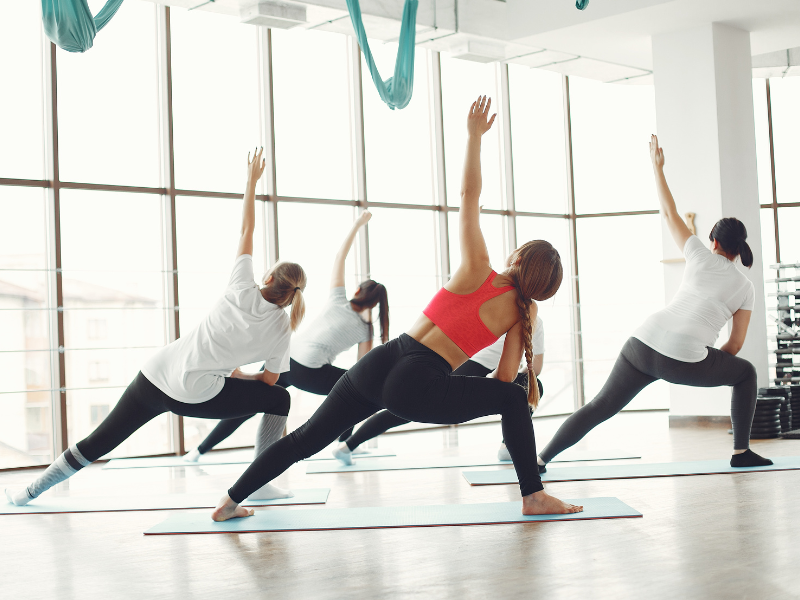
Yoga and exercise are a group of activities that are done to strengthen the body, control weight, and improve overall health. It is a physical activity that helps to control the heart rate, blood circulation, and digestion of food. That is, exercise is a group of all those activities, in which, by doing them regularly, the efficiency of the body increases, and the person remains physically fit. Its main purpose is to provide energy to the body, strengthen muscles and bones, and increase immunity.
At present, the lifestyle of people has become very comfortable; most people use mobile phones and computers excessively and work only for long periods of time. Due to this, the physical activity of people is greatly reduced; in such a situation, many problems related to health arise. Therefore, to keep the body healthy, the need and importance of exercise increases manifold. Regular exercise improves blood circulation and keeps the heart healthy. Along with this, it protects against many diseases like obesity, diabetes, high blood pressure, heart disease, and stress.
Therefore, under yoga and exercise, exercise not only keeps the body healthy, but also the mind. Exercising causes the body to secrete hormones called “endorphins”, which are called ‘happiness hormones. ‘ This reduces stress, anxiety, and depression, keeps the mind cheerful, increases self-confidence, and makes the person experience positivity.
Meaning and Definition-
Exercise means regular physical activities done to make the body active, healthy, and powerful. It is a process through which the digestive system is strengthened, blood circulation is better, and the person remains physically and mentally healthy. That is, exercise is the means that maintains vitality and strength in the body, reduces excess fat accumulated in the body, strengthens the digestive system, and increases immunity.
“Exercise is the regular physical activity by which the powers of the body increase, health is preserved, and various diseases are prevented. ”
Types of exercises-
There are many types of exercises, and each exercise is helpful in making some part of the body healthy and strong. The individual can choose the appropriate exercise according to their age, health, condition, and physical ability. The following are the main types of exercise.
1- Aerobic exercise-
Aerobic exercises are exercises in which the body is kept in constant motion. Such as brisk walking, running, cycling, swimming, jumping rope, etc. All these types of exercises increase the capacity of the heart and lungs.
Benefits- It keeps weight under control, the heart remains healthy, the oxygen supply in the body is better, and the energy is maintained in the body.
2- Anaerobic exercise-
In this type of exercise, more power is used in a shorter period of time. Such as lifting weights, sprint races, push-ups, etc. All these exercises help strengthen the muscles.
Benefits– It strengthens the muscles, increases the endurance of the body.
3- Strength-boosting exercises-
The main purpose of all these types of exercises is to strengthen the muscles and bones of the body. Such as dumbbell exercises, squats, pull-ups, etc.
Benefits- It increases strength in the body, strengthens bones, and reduces the risk of injury.
4- Flexibility-enhancing exercises-
With all these types of exercises, the body’s flexibility increases. For example, stretching, some yoga asanas, etc.
Benefits– It makes the body feel lighter, reduces pain and stiffness.
5- Exercises that enhance balance-
All of these types of exercise help maintain the balance and stability of the body. For example, the practice of standing on one leg.
Benefits– It reduces the risk of falls, especially beneficial for the elderly.
6- Exercise for Mental Health-
Some exercises reduce mental stress and keep the mind calm. Such as light exercise with meditation, pranayama, walking, etc.
Benefits– It reduces anxiety, stress, and depression.
Therefore, all types of exercises, under yoga and exercise, are extremely useful in their own place. If a person incorporates all these types of exercises into his daily routine in a balanced manner, then he remains physically and mentally healthy.
Purpose of the Blog-
The main objective of this blog is to make the readers aware of the complete details of yoga and exercise, such as what yoga is, what exercise is, their meaning and definition, types, benefits, precautions, etc., and also to make people aware of it. Through this blog, people are motivated to adopt a healthy lifestyle, because nowadays, due to busy routines, people are not able to pay attention to their health, and as a result, many physical and mental diseases are arising.
Apart from this, the purpose of this blog is to make all students, youth, women, the elderly, and working people aware of health that healthy living does not require expensive means, but right thinking, discipline, and regular practice. Along with this, it is to promote a positive health culture in society, where every person can lead a happy life while being healthy, physically, mentally, and spiritually.
Yoga and Exercise e-Book, How to Get It?
If you want a yoga and exercise e-book, you can get it from the website vijaybooks.store and practice yoga and exercise from the comfort of your home. Apart from this, there is another website, yoga.ayush.gov.in, which is a government website of India.
There are other blogs available similar to this blog.
Yoga and Exercise: Major Yoga Asanas and Their Benefits-
Under Yoga and Exercise, the following are the major yoga asanas and their benefits.
Tadasan-
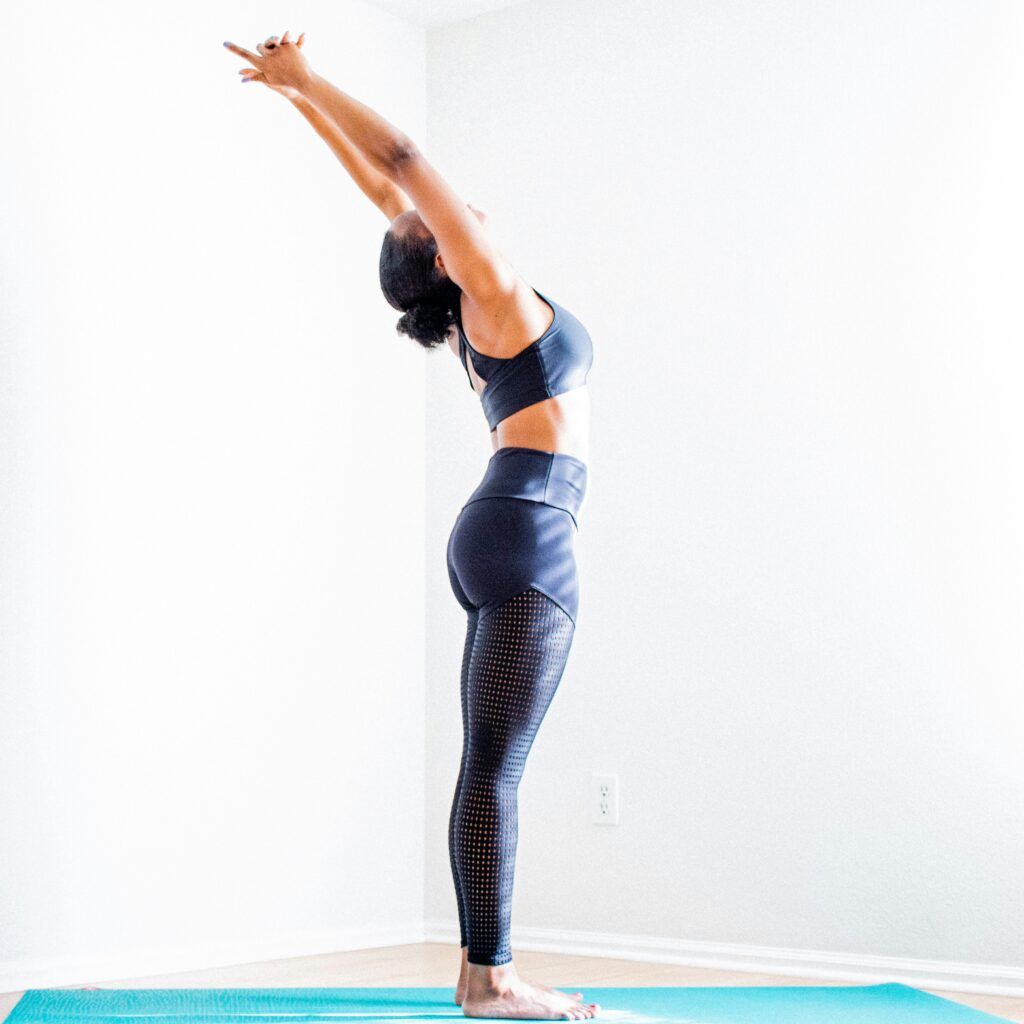
Tadasana is also called the mountain asana. It is a very simple, but extremely beneficial yoga asana done while standing. Tadasana is considered to be the cornerstone of all yoga asanas. In this pose, the body is straightened by pulling it upwards, which stretches the whole body and transmits energy.
Method-
First of all, stand up straight. Keep both feet close together. Place both hands on either side of the body. Slowly raise both hands while taking a deep breath. Now get up on the toes and pull the whole body upwards. Hold this position for 10 to 20 seconds. Then slowly exhale and return to normal.
Advantages-
- Helpful in increasing body length.
- The spine remains strong and straight.
- Reduces shoulder, neck, and back pain.
- The balance of the body is better.
Pada-Hastasana-
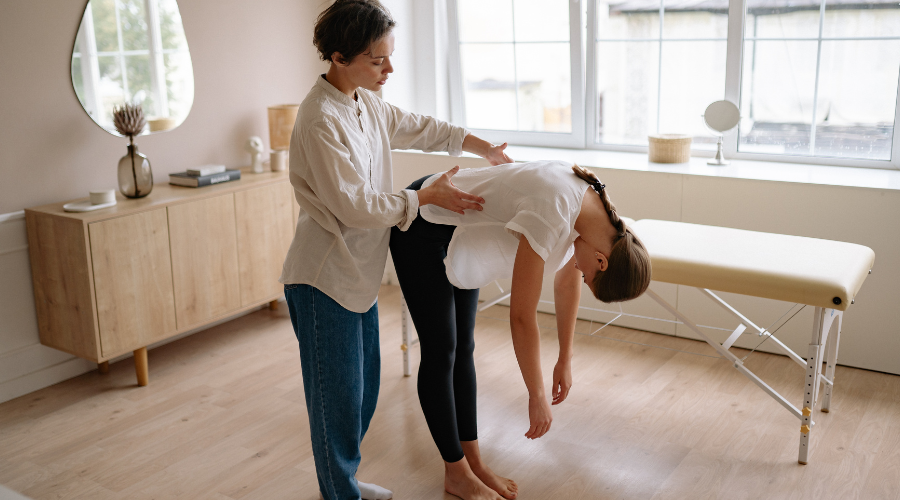
Pada-Hastasana is a simple yet extremely effective yoga asana in which the person stands and leans forward and touching their feet with their hands. This asana is very helpful in making the body flexible, strengthening the digestive system, and reducing mental stress.
Method-
First of all, stand up straight in the position of Tadasana. Keep both feet together. Take a deep breath and raise both hands. Now exhale and slowly lean forward from the waist. Try to touch your toes or the ground with your hands. Try to move the head close to the knees. Stay in this position for 15–30 seconds. Then slowly inhale and return to an upright position.
Advantages-
- Helpful in reducing belly fat.
- The digestive system is strong.
- The spinal cord becomes flexible.
- Stress, anxiety, and fatigue are relieved.
- Beneficial for headaches and insomnia.
Vrikshasana-
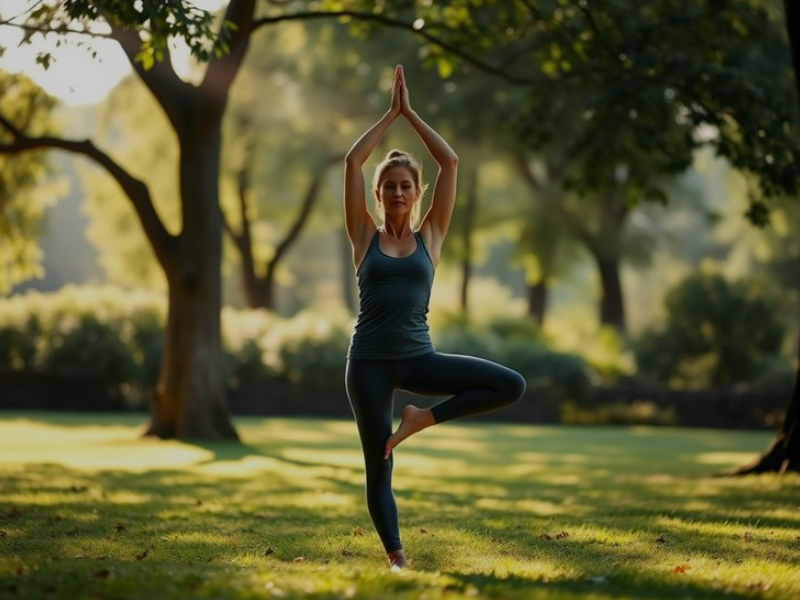
Vrikshasana is also called the tree asana. In this asana, the position of the body is like that of a straight standing tree, hence it is called Vrikshasana. This asana is extremely useful for enhancing the balance of the body, strengthening the legs, and developing the concentration of the mind.
Method-
First of all, stand up straight in the position of Tadasana. Now, slowly bend the right leg and place it on the thigh of the left leg. Make a greeting pose by joining both hands in front of the chest, or join hands with your hands raised. Keep the spine straight and focus on one point in front. Hold this position for 15 to 30 seconds. Slowly return to normal and then practice by changing the other leg.
Advantages-
- Increases the balance of the body.
- The muscles of the legs, knees, and thighs are strong.
- Increases concentration and confidence.
- The waist and spine are strong.
- Mental stress is reduced.
Bhujangasana-
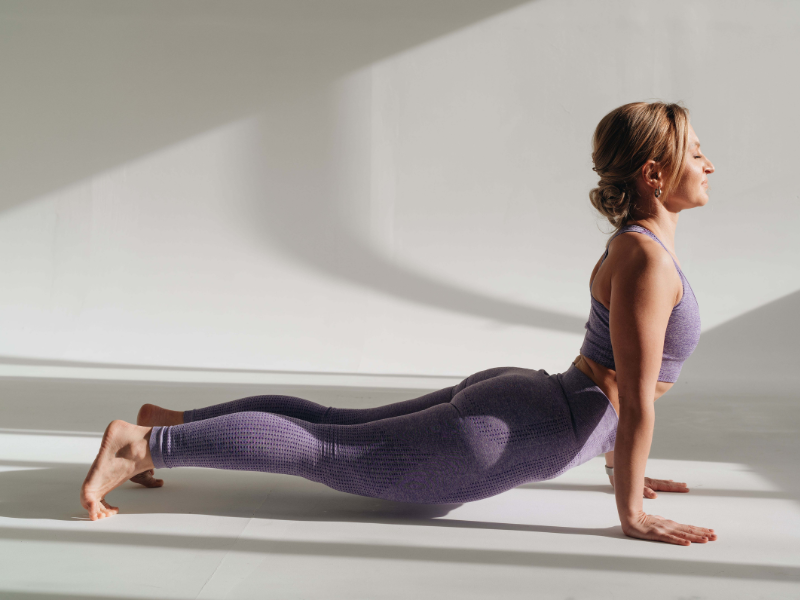
The position of the body in Bhujangasana is like spreading the hood of a snake, hence it is called Bhujangasana. This asana is extremely beneficial for the spine, back, and lungs. Regular practice of Bhujangasana brings flexibility to the body and provides special benefits in back pain.
Method-
First of all, lie down on the ground on your stomach. Keep both legs straight, and the toes extended backwards. Place both palms on the ground near the shoulders. Slowly lift the head and chest while breathing deeply. The body should rise above the ground to the navel. Keep the elbows lightly bent. Hold this position for 15 to 30 seconds. Then lie back down, exhaling slowly.
Advantages-
- The spine becomes strong and flexible.
- Provides relief from back and back pain.
- Lung capacity increases.
- The digestive system is strong.
- Belly fat is low.
Vajrasana-
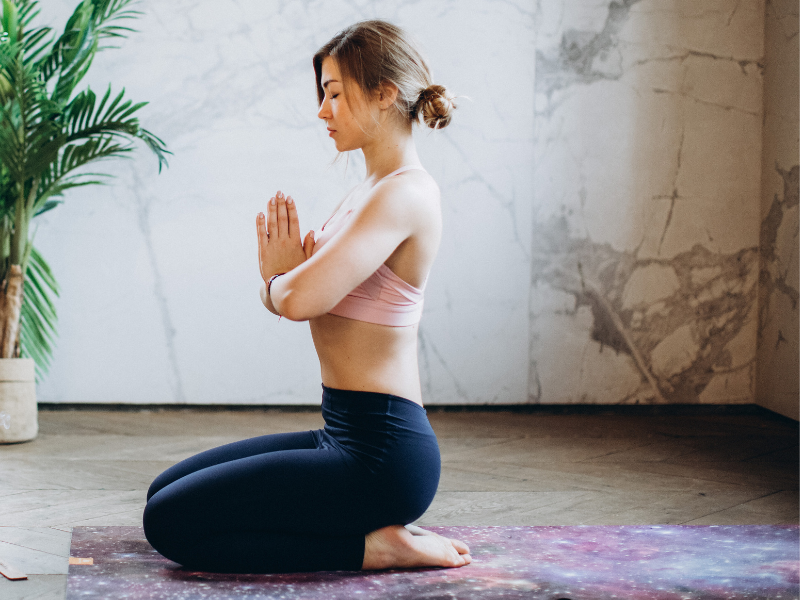
Vajrasana is also known as the posture that improves digestion. This is a yoga asana that can be done even after eating. ‘Vajra’ in Sanskrit means hard or strong. This asana helps strengthen the body and digestive system. Vajrasana keeps the body stable and gives peace to the mind.
Method-
First of all, sit on the ground on your knees. Keep the toes of both feet straight back. Slowly sit with the hips resting on the heels. Place both hands on your knees. Keep the neck, spine, and head straight. Hold this position for 5 to 10 minutes while breathing normally. Then slowly come back to normal.
Advantages-
- Digestion improves.
- Provides relief from gas, acidity, and constipation.
- It is beneficial for diabetes.
- The muscles of the knees, thighs, and legs are strong.
- Increases mental peace and concentration.
Trikonasana-

Trikonasana is an important standing yoga asana. In this asana, the shape of the body is formed like a triangle, hence it is called Trikonasana. It is a useful yoga asana for the hands, feet, waist, and spine.
Method-
First, stand up straight and keep a distance of about 3–4 feet between the two legs. Spread both hands parallel to the shoulders. Now bend towards the right leg and place the right hand on the ankle of the right leg. Keep the left hand straight upwards and look up. Keep the body in a straight line. Hold this position for 15–30 seconds. Slowly return to normal. Now repeat the same process on the left side.
Advantages-
- The waist and spine become strong and flexible.
- Belly fat is low.
- Digestion improves.
- The muscles of the thighs, knees, and legs are strong.
- Shoulder, chest, and neck pain are reduced.
Padmasana-
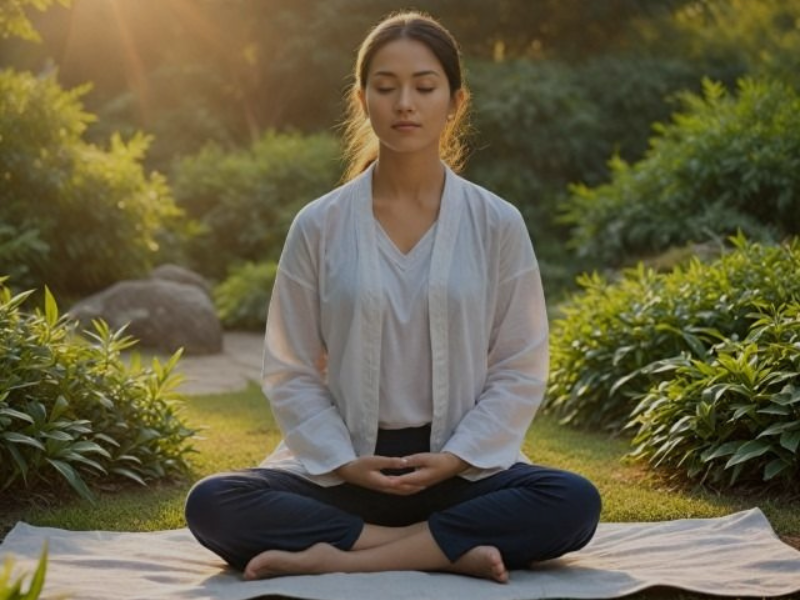
Padmasana is considered to be the best posture for meditation. The sitting position in this asana is like a lotus flower, hence it is called Padmasana. Padmasana is considered to be the most suitable for sadhana, meditation, and pranayama.
Method-
First of all, sit up straight with a mat on the ground. Lift the right leg and place it on the left thigh. Now lift the left leg and place it on the right thigh. Keep the spine and the neck straight. Place both hands on the knees, join the thumb and forefinger to form the Gyan Mudra. Close your eyes and focus on the breath with a calm mind. You can sit in this position for 10 to 20 minutes.
Advantages-
- The mind is calm and stable.
- Increases concentration and memory
- Reduces stress, anxiety, and depression.
- Muscles in the knees and thighs are strengthened
- The spine remains strong and straight.
- Helps in spiritual development.
Savasana-
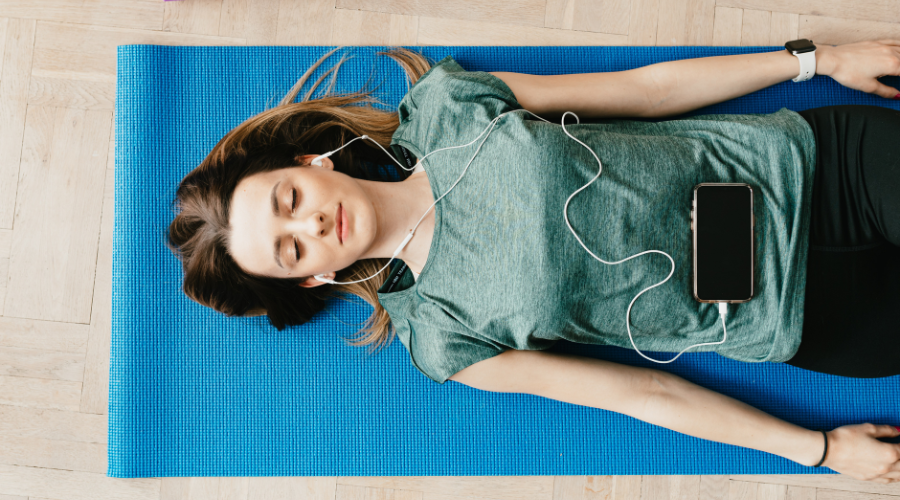
Savasana is also called the seat of rest. “Shavasa” means dead body, and in this asana, the body remains completely still, hence it is called Savasana. It is considered to be the most important asana to be performed at the end of a yoga practice. Savasana provides complete deep relaxation to both the body and mind.
Method-
First of all, lie down straight on the ground on your back. Keep a slight gap between the two legs. Keep both hands at a short distance from the body, palms facing upwards. Close your eyes and leave your body completely relaxed. Inhale deeply and exhale. Let the whole body relax from head to toe. Stay in this position for 5 to 15 minutes.
Advantages-
- Mental stress and anxiety are relieved.
- Fatigue is removed, and the body gets new energy.
- Blood pressure is controlled.
- The problem of insomnia is overcome.
- The brain is calm.
Precautions related to Yogasana-
Under yoga and exercise, yoga asanas make the body healthy, strong, and energetic, but if practiced incorrectly, they can also be harmful instead of beneficial. Therefore, some precautions are extremely necessary.
- Keep the body and clothes clean. Do yoga in pure air. If done at home, the space should be ventilated.
- While performing asanas, the presence of someone else is not necessary or appropriate. The atmosphere should remain calm.
- Meals should be eaten at the appointed time, but in a happy manner. The food should be simple and nutritious, not too oily, chilli, or chili. Vegetables, boiled vegetables, are beneficial.
- After yogasana, one should take milk or fruit after resting for half an hour. Tea, coffee, and intoxicants are harmful.
- Yoga should be practiced only after cleaning the teeth and defecating in the morning.
Under yoga and exercise, all types of yoga asanas are extremely useful in their own place. If a person incorporates all types of yoga asanas in his daily routine in a balanced manner, then he can remain physically and mentally healthy.
Yoga and Exercise: Key Exercises and Their Benefits-
Under yoga and exercise, the following are the major exercises and their benefits.
Squats-
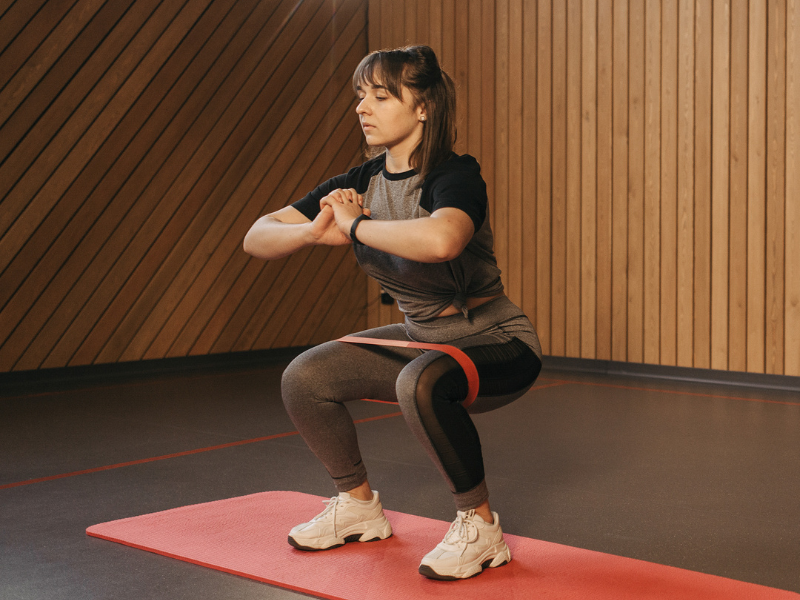
Squats, exercises, are effective exercises to strengthen the legs and thighs.
Advantages-
- The muscles of the thighs, legs, and hips are strengthened
- Helps in weight loss
- Increases body balance and endurance
Push-ups-
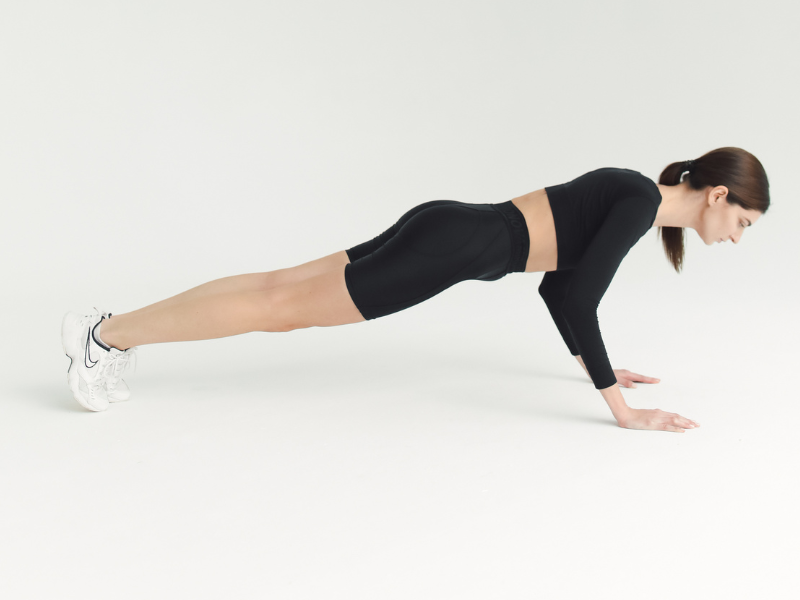
Push-up exercises are performed to increase upper-body strength.
Advantages-
- Chest, shoulders, and arms are strong
- Increases body strength and stamina
- The abdominal and groin muscles are also strengthened
Crunches-
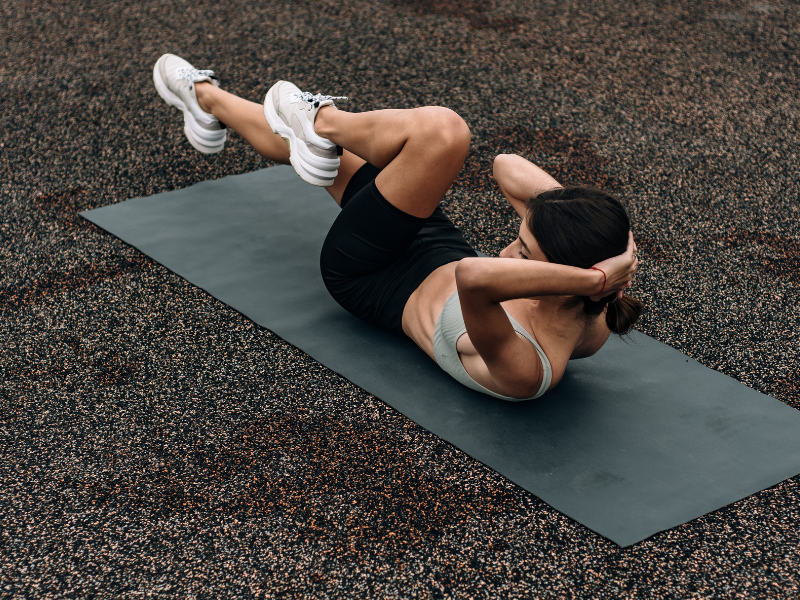
Crunches are a major exercise done to reduce belly fat.
Advantages-
- Abdominal muscles are strong
- The belly is low
- Body structure is better
Lungs-

It is an exercise that strengthens the lungs, legs, and hips.
Advantages-
- Increases the strength of the thighs and knees
- Improves the balance of the body
- Calories are burned faster
Burpee-
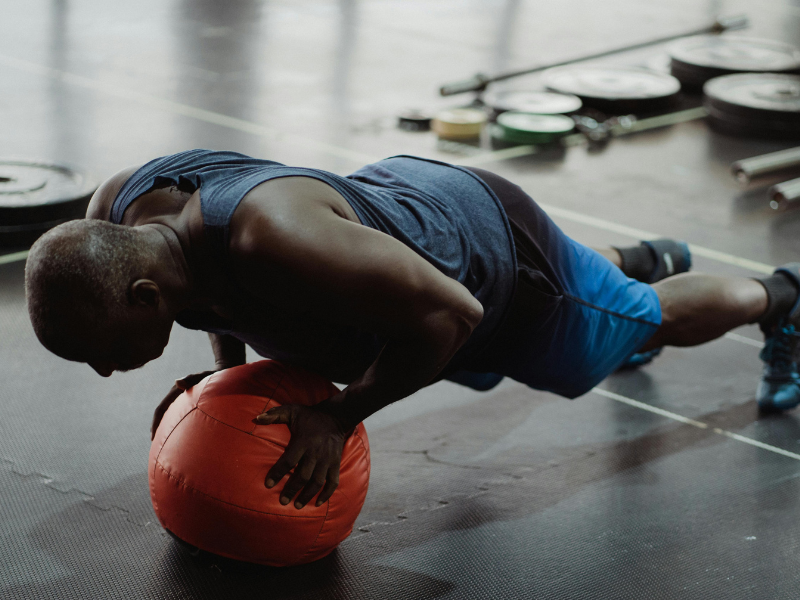
Burpee is a high-intensity full-body exercise.
Advantages-
- Helps in rapid weight loss
- Strengthens the heart and lungs
- The whole body exercise is done simultaneously
Running-

Running is the simplest and most effective cardio exercise.
Advantages-
- The heart remains healthy
- Agility and energy come to the body
- Obesity is reduced
Skipping-
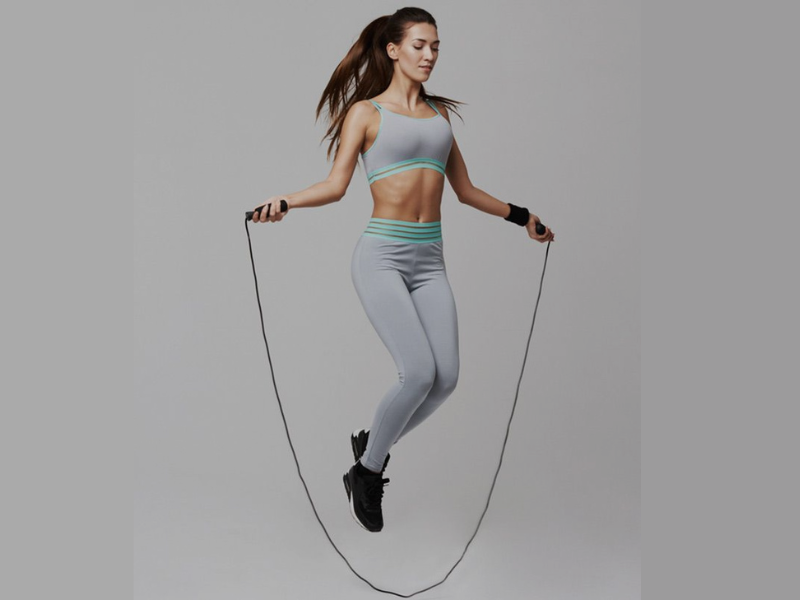
Jumping rope is a beneficial exercise for both children and adults.
Advantages-
- Weight loss rapidly
- Increases leg strength
- Strengthens the heart and breathing capacity
Under yoga and exercise, all types of exercises are extremely useful in their own place. If a person incorporates all types of exercise into his daily routine in a balanced manner, he can stay physically and mentally healthy.
Precautions-
Under yoga and exercise, exercise makes the body healthy, strong, and energetic, but if practiced incorrectly, it can also be harmful instead of beneficial. Therefore, some precautions are extremely necessary.
- Exercise can be done by all children, women, men, and the elderly, but do not be too weak and sick.
- Do not exercise the part of the body in which there has been an injury, a broken bone, or a major operation, etc.
- If a part is fake (artificial), do not exercise that organ.
- In abdominal exercises, if someone has undergone an abdominal surgery, they should not do this exercise. Those who often have some kind of pain in the stomach do not do this exercise. Pregnant women, don’t do it at all.
Yoga and Exercise: Conclusion-
In the hectic lifestyle of the present time, the health of all of us is constantly affected. Wrong diet, lack of sleep, mental stress, excessive use of mobile and computer, lack of physical labor, etc., all these reasons are making our body and mind weak. In such times, yoga and exercise act like a lifeline. Yoga and exercise not only keep our body healthy but also provide mental peace and self-confidence.
In this blog on yoga and exercise, we learned that yoga and exercise are one of the best lifestyles. While yoga asanas such as Tadasana, Vrikshasana, Bhujangasana, Vajrasana, Trikonasana, Padmasana, and Shavasana provide us with spiritual peace and mental balance that make the body flexible, strong, and healthy. On the other hand, exercises like squats, push-ups, lunges, crunches, and burpees also provide strength, endurance, and fitness to our bodies.
Yoga and exercise are essential and integral to a healthy and balanced life. By adopting the right balance of both yoga and exercise, we can avoid obesity, diabetes, high blood pressure, and heart disease, and get rid of stress, anxiety, depression, etc. Along with this, you can also increase your concentration and confidence. Therefore, in today’s stressful lifestyle, making yoga and exercise an integral part of your daily life is nothing short of a gift from God.
If you want to infuse discipline and positive energy into your life, give yoga and exercise a place in your daily routine. Yoga and exercise may seem a little difficult in the beginning, but with continuous practice, they gradually become easier. Through yoga and exercise, you will not only be physically healthy, but also mentally strong and happy, and your life will also become healthy, energetic, and joyful for a long time.
Therefore, we should resolve today that we will adopt yoga and exercise regularly in our lives, setting a healthy example not only for ourselves, but also for our family and society. Yoga and exercise are true health practices. Yoga and exercise are the keys to a healthy and successful life.
Devote only 30 minutes a day of your precious time to yoga and exercise.
We wish you a healthy, happy, successful, and long life.